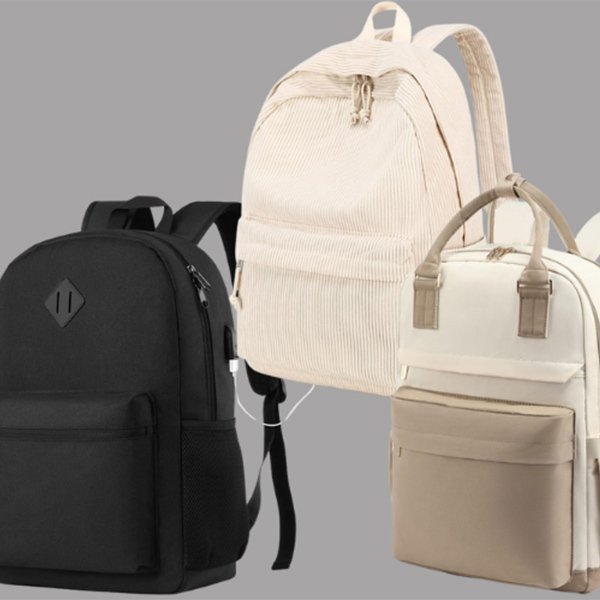
Looking for a bag that keeps odors locked in? Smell proof bags are built exactly for that. Through specialized materials and sealing construction, they prevent scents from escaping — no matter what’s inside. And they’re far more versatile than most people expect: everyday carry, travel, gym use, pet care, and indoor cultivation all have a place for them.
If you’re currently sourcing smell proof packaging for your brand, understanding how these bags actually work — and what separates a good one from a bad one — will save you from costly mistakes down the line. This guide covers everything you need to know, and walks you through how to customize the right solution for your specific business needs.
Understanding Smell Proof Bags
Smell proof bags go by several names: odor-proof, scent-lock, and odor-barrier bags. What they have in common is a combination of non-porous multi-layer materials and odor-adsorption technology that keeps scents contained inside the bag. They come in a wide range of shapes and sizes — from compact personal pouches to large storage containers.
Here’s how the terminology breaks down:
- Smell Proof Bags — The general term for any bag designed to contain odors.
- Scent-Lock Bags — Specifically refers to bags that use activated carbon or zeolite interior lining paired with a zippered outer seal.
- Odor-Barrier Bags — Typically multi-layer constructions combining aluminum foil, TPU, and fabric.
- Activated Carbon Bags — Bags that rely primarily on carbon adsorption technology for odor control.
How Smell Proof Bags Actually Work
Here’s something worth knowing before you source: a lot of bags marketed as “smell proof” are simply a standard nylon shell with a single-layer carbon lining stitched inside. That design can handle mild odors over short periods — but put cannabis, fish bait, or protein powder in there, and it won’t hold up.
A genuinely effective smell proof bag needs three structural systems working together:
The Barrier Layer
This is what physically stops odor molecules from passing through the bag wall. The most effective constructions use polyester film and aluminum foil laminate — lightweight, tough, tear-resistant materials that block both outgoing odors and incoming moisture. Multi-layer composites consistently outperform single-layer films, and the difference becomes more pronounced over time and in warmer environments.
| Material | Barrier Performance | Best For |
|---|---|---|
| Standard polyester / nylon | Poor — odors pass through easily | Not suitable for odor containment |
| PEVA film | Moderate | Light-duty, short-duration use |
| Single-layer PET film | Good | Food pouches, short shelf-life products |
| PET/PE laminate | Better | Multi-day containment |
| PET/AL/PE multi-layer | Excellent | Cannabis, strong aromatics, long-term storage |
| Aluminum foil laminate (4–7 layer) | Best | Maximum odor and moisture barrier |
For anything with a strong scent, a minimum PET/AL/PE three-layer construction is the baseline. Single-layer films will degrade over time — especially in warm conditions where VOC volatility increases.
The Activated Carbon Layer
Activated carbon works through adsorption: odor molecules bind to its porous surface and are neutralized rather than simply blocked. Three variables determine how well it performs:
- Material: Coconut-shell activated carbon outperforms coal-based alternatives, with a surface area of 1,000–1,200 m²/g compared to 600–1,200 m²/g for coal-based carbon.
- Density: Higher carbon density means more carbon per square inch and greater adsorption capacity overall.
- Construction: Woven carbon fabric significantly outperforms loose carbon inserts, which shift and develop gaps with regular use.
The Seal
Most smell proof bags use zippers as the primary closure — but the type of zipper matters more than most buyers realize:
- Standard #5 coil zipper — The interlocking teeth don’t create a complete seal, leaving microscopic gaps where odors can escape, particularly when the bag is compressed or used repeatedly.
- Double-track airtight zipper — Substantially better air seal, with meaningfully reduced leakage compared to a standard coil.
- Silicone-gasket zipper — The highest-performance option, used in medical and high-end outdoor applications.
One more thing worth noting: heat-sealed seams on the bag body offer significantly better air tightness than sewn seams, which allow odors to migrate along thread paths over time.
Which Industries Order Custom Smell Proof Bags?
Custom smell proof bags show up across a surprisingly wide range of industries. Knowing which one you’re in shapes every material and construction decision you’ll make.
Cannabis & Hemp Brands
Cannabis is the single largest volume segment for smell proof bag orders. These bags seal in air, preserve potency and freshness, and keep odors from escaping — making smell proof weed bags both a privacy solution and a regulatory compliance requirement.
A few regulatory details worth keeping in mind for custom smell proof weed bags:
- Most US states and Canadian provinces require child-resistant closures (CRC), with documented ASTM D3475 compliance testing.
- Many jurisdictions require heat-seal strips or tear notches as tamper evidence — and these must remain intact during transport.
Food & Beverage
Multi-layer smell proof bags create a sealed environment that blocks air, controls odors, and extends freshness — particularly valuable for dried fruits, snacks, and specialty ingredients where spoilage is a real cost.
- Seals out air to extend shelf life
- Prevents food odors from escaping into storage or retail environments
- Reduces waste and product loss
One critical note: activated carbon used in food-adjacent applications must be food-grade. Not all carbon formulations are safe for direct or indirect food contact.
Indoor Cultivation
Herbs, flowers, medicinal plants — many cultivated species produce strong aromas that not everyone around you will appreciate. From harvest through storage, effective odor containment is a practical necessity for both privacy and compliance.
A tiered approach works well here: smaller smell proof bags for trimmed material and plant matter, larger bags for freshly harvested product. This maintains condition, contains odors, and keeps things discreet.
Outdoor & Travel
Whether you’re camping, hiking, or just navigating a long trip, smell proof bags make packing significantly easier. Small pouches keep food fresh and prevent cross-contamination between items. Used or sweaty clothing can be sealed off separately, protecting the rest of your bag from odor transfer — and keeping things private when going through airport security or shared accommodation.
- Clean, organized packing with odor separation between items
- No more opening a bag to find everything smells like whatever leaked at the bottom
Custom Smell Proof Bag Types
Smell proof bags don’t have to stand alone. They can be paired with travel bags, gym bags, and insulated carriers — and offering a range of custom formats opens up cross-sell opportunities and expands your product line. Here are the most commonly ordered formats:
Smell Proof Weed Bags
Designed for tobacco and herbs with strong aromas. They reduce odor leakage while protecting contents from moisture and light to preserve potency. Construction typically includes activated carbon, aluminum foil lining, and a TPU/EVA inner liner with a sealed zipper. Available in multiple formats — pouches, small carry bags — suitable for daily use or travel. Some designs include interior dividers and elastic loops for lighters and rolling accessories.
Smell Proof Stash Bags
A compact, seal-focused format for herbs, tobacco, spices, and small pet treats. Moisture-resistant and waterproof construction minimizes odor escape while keeping things portable and discreet. Often available with lanyards, carry handles, and combination locks for added security.
Smell Proof Duffel Bags
A duffle bag construction with an integrated smell proof compartment — well-suited for shoes, wet clothing, towels, and gym or sports equipment. Larger format with more organizational structure, commonly used as gym bags or short-trip travel bags. Typically built from durable waterproof materials like 600D polyester, with antimicrobial activated carbon lining and compartmentalized interior layout.
Leather-Clad Odor Bags
A smell proof bag with a leather outer shell for a premium look and feel. An interior odor-barrier compartment keeps scents contained while the leather exterior elevates the overall presentation. Well-suited as brand premium or gift SKUs, with strong custom logo compatibility. The outer surface is easy to wipe down but requires periodic conditioning to maintain its appearance.
What Makes a Quality Smell Proof Bag
Before placing a bulk custom order, it’s worth knowing exactly what to look for — because not all smell proof bags are built the same.
Odor containment Look for genuine activated carbon lining, not just carbon-colored material. Carbon density matters: higher density means more adsorption capacity per square inch. And always specify a multi-layer composite construction over a single-layer film — the difference in real-world performance is significant.
Durability A durable smell proof bag holds its performance over time:
- Tear-resistant outer fabric — 600D Oxford or 1680D ballistic nylon are the standards for abrasion resistance and puncture protection.
- Reinforced stitching at stress points: zipper ends, handle attachments, and corner gussets. These are the areas that fail first on cheaper constructions.
Seal integrity Opt for quality waterproof zippers or secure velcro closures that maintain performance through repeated use. Heat-sealed seams provide meaningfully better air tightness than sewn seams — worth specifying if odor containment is the primary performance requirement.
Additional functional features Beyond the basics, these add-ons can meaningfully differentiate your product:
- UV-blocking coating — Prevents light degradation and preserves the potency of light-sensitive contents.
- Lockable closure — Adds a layer of security that matters for high-value or age-restricted products.
Limitations to Be Aware Of
Smell proof bags offer strong performance across odor containment, sealing, and freshness preservation — but they do have real-world limitations worth understanding before you commit to a spec.
Material lifespan Most smell proof bags perform well for several months under normal use. With heavy use over time, the activated carbon will gradually saturate and lose adsorption capacity. The polyester film layer can also age and crack, compromising the barrier — and zippers and silicone gaskets can wear out and lose their seal.
Temperature sensitivity Extreme heat, cold, or humidity all affect performance. Prolonged sun exposure or high indoor temperatures weaken both the sealing strip and the odor barrier layer. In cold conditions, silicone gaskets can stiffen and affect seal quality and user experience. High humidity degrades the activated carbon structure inside the bag, reducing its ability to adsorb odors.
Maintenance requirements Bags that regularly hold strongly scented contents will accumulate odors internally if not cleaned after use. Residue and moisture also degrade the odor barrier layer over time. After use, wipe down interior and exterior surfaces with a damp cloth and allow the bag to air dry in a cool, ventilated space before storing.
Load capacity Overfilling a smell proof bag creates several problems:
- The zipper or closure can’t fully seal, compromising odor containment.
- Seams may tear under excess pressure, damaging the bag body.
- Deformation or damage creates pathways for odors to escape.
Always refer to the manufacturer’s stated capacity and avoid forcing the zipper closed — that’s one of the fastest ways to shorten a bag’s usable life.
How to Choose and Customize Your Smell Proof Bag
Here’s a straightforward process for finding the right solution and getting to production efficiently:
Step 1: Define your use case Are you sourcing for spices, cannabis, food, gym use, or something else entirely? Clarifying the primary use case narrows the format, material, and closure options significantly.
| Use Case | Recommended Format | Capacity Range | Key Construction Features |
|---|---|---|---|
| Travel | Vacuum-seal backpack | 20–40 L | PET/AL/PE carbon lining, abrasion-resistant outer shell |
| Gym & Fitness | Carbon pouch + duffel combo | Pouch 5–10 L / Duffel 30 L | Removable sealed pouch, antimicrobial lining, easy-clean interior |
| Daily Carry | Leather-clad odor bag | 10–15 L | Premium leather exterior, concealed carbon lining, low-profile design |
| Outdoor Adventure | Dry-bag with valve | 10–25 L | IPX6 waterproof rating, roll-top closure, integrated odor barrier |
| Professional / Medical | Medical kit bag | 5–10 L | Food-grade or medical-grade inner lining, antimicrobial treatment, secure closure |
Step 2: Compare features across options Look at materials, dimensions, portability, seal type, and odor barrier performance side by side. Make sure whatever you’re specifying actually meets your target market’s needs — not just on paper, but in the conditions your end users will actually encounter.
Step 3: Choose the right manufacturer Work with a manufacturer that has a proven track record in custom smell proof bag production. Review their certifications and confirm their customization capabilities — colors, materials, dimensions, logo options, and packaging.
Step 4: Confirm MOQ, pricing, and lead times Get clear numbers on minimum order quantities, per-unit pricing, and production timelines before committing. Keep in mind: while budget matters, quality and functionality are what build customer loyalty and protect your brand reputation long-term.
Why Work With Kewei
Kewei manufactures custom smell proof bags for brands, retailers, and businesses of all sizes — from compact personal pouches to large-format smell proof duffel bags. We offer complimentary design support, low minimum order quantities, and rapid sampling so you can validate your spec before committing to bulk production.
- MOQ from 300 pieces
- Samples in 7–10 days; bulk production completed within 2 months
- 11-step quality inspection process, with third-party lab reports available on request