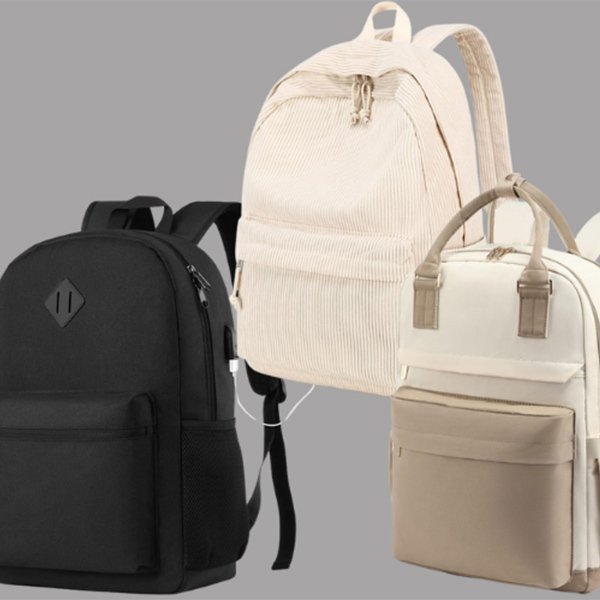
Polypropylene is widely used in various fields, including the bag industry, due to its low density, transparency, chemical resistance, low cost, and other advantages. So, how is polypropylene made into bags? What types of polypropylene bags are there, and what are the pros and cons of using it as a raw material for bags? Kewei’s bag R&D specialists have provided detailed answers to these questions. Let’s take a look.

What is Polypropylene?
Polypropylene is a high-molecular polymer. It is primarily derived from petroleum, where the small molecule gas “propylene” is extracted. Using a catalyst, countless small propylene molecules are polymerized into long chains – these long chains form polypropylene.
How is Polypropylene Processed into Bags?
Raw polypropylene comes in the form of translucent pellets. These polypropylene resin pellets are heated until molten and then extruded into fibers or sheets. Fabric suppliers use industrial looms to weave polypropylene yarn into strong fabrics, which are then sold to bag manufacturers. The manufacturers cut the purchased polypropylene fabric into pieces of various sizes and specifications according to client requirements. Workers then sew these components together, thus completing the production of a polypropylene bag.
What are the Types of Polypropylene Bags?
Depending on the manufacturing method, polypropylene bags can be categorized into several main types:
Woven PP Bags
Made by weaving polypropylene fibers. The weaving process creates a sturdy structure, making these bags highly durable. Consequently, woven PP bags are often used for carrying grains, fertilizers, or other heavy materials.
Non-Woven Polypropylene Bags
These are made by bonding polypropylene fibers together. Compared to woven PP bags, they are lighter in weight and are commonly used for shopping bags and food bags.
Biaxially Oriented Polypropylene (BOPP) Bags
As the name suggests, these bags are produced using a biaxial stretching process, which gives them transparency and durability. They are often used as packaging bags.
Flexible Intermediate Bulk Containers (FIBCs)
These large bags are primarily made from cut and sewn woven polypropylene fabric. They have a large capacity and strong load-bearing capability, making them suitable for transporting bulk materials like sand and chemicals.
Gusset Bags (Block Bottom Bags)
These bags feature a stiffer panel at the bottom, allowing them to stand upright on a surface. They maintain a structured, boxy shape and are suitable for storing larger items.
Advantages and Disadvantages of Polypropylene Bags
Polypropylene bags offer numerous advantages but also have some drawbacks.
Advantages
Cost-Effective
Polypropylene is one of the least expensive plastics, keeping costs manageable. Bags made from polypropylene therefore offer high economic efficiency.
High Durability
Polypropylene bags have a strong structure, offering good tear resistance and abrasion resistance.
Moisture-Resistant
Polypropylene bags effectively prevent moisture from entering, helping to keep the contents dry and clean. This is why they can be used for food packaging.
Customizable
The surface of polypropylene material can be treated with corona treatment, which enhances ink adhesion. This allows for high-definition, vibrant, and color-rich printing.
Eco-Friendly
Non-woven polypropylene bags can be reused multiple times, making them an ideal choice for reusable shopping bags. Additionally, polypropylene is a #5 recyclable plastic. Discarded polypropylene bags can be used as raw material for other products after recycling.
Disadvantages
Poor High/Low-Temperature Resistance
In very high or very low temperatures, polypropylene bags can lose flexibility, become brittle, and prone to cracking.
Relatively Stiff Feel
While non-woven polypropylene bags can offer a fabric-like softness, they are generally stiffer compared to bags made from other fabrics. Other types of polypropylene bags tend to be even stiffer.
Lifespan of Polypropylene Bags and Influencing Factors
Under suitable environmental conditions, polypropylene bags typically last between 5 to 7 years. However, if used for carrying heavy loads or not properly cared for, their lifespan might be reduced to 2-3 years. Several factors influence the lifespan of polypropylene bags. Kewei has summarized the key points below:
Environmental Temperature
Extremely high or low temperatures can shorten the bag’s life. For instance, prolonged exposure to direct sunlight or use in cold environments can weaken the polypropylene fibers, causing them to become brittle and crack easily. It’s best to store polypropylene bags in a temperate environment, avoiding extreme temperatures, moisture, and direct sunlight.
Material Quality
Bags made from high-quality polypropylene fibers or those with a tight weave are generally more wear-resistant and have a longer lifespan. Some polypropylene bags incorporate UV inhibitors to better resist degradation from sun exposure.
Usage Patterns
Frequent use or consistently carrying loads beyond the bag’s weight capacity will accelerate wear and tear, reducing its lifespan.
Regular Maintenance
Regular, gentle cleaning (rather than frequent, harsh washing) helps extend the bag’s life. During cleaning, avoid vigorous scrubbing and the use of strong chemical detergents.
How to Choose the Right Bag Manufacturer?
Selecting the right bag manufacturer requires considering several aspects, including price, quality, customization options, production capacity, and delivery timelines. At Kewei, we can customize and produce polypropylene bags according to your needs. Kewei is committed to providing you with flexible customization options and high-quality products to support the growth of your business.