

- sales@keweibag.com
- 3F, No.4 Building, Xihuyuanquan Office Building, No.188 Beiqing East Road, Fengze District, Quanzhou, China


Reliable Camera Bag Manufacturer Supplier
- Protects cameras and lenses from rain, dust, and impacts.
- Add quick-access pockets, adjustable straps, or extra compartments
- Easy to carry for long photography sessions or travel.
- Custom logos, colors, and designs to match your business style.
- Devote tooffer cost-effective premium camera bag.

Custom Camera Bag Factory in China
Kewei offers a high-quality camera bag that offers maximum protection for photography gears. These bags make every gear safe while being organized. Due to their versatility, these bags are suitable for professional or amateur photographers.
With our rich experience in the industry, we have understand the needs of every business. To provide 100% satisfaction, we manufacture camera bags using durable and water resistant materials. Padded interior compartments are also integrated for the safety of drones, camera, and lenses.
At Kewei, we ensure that every camera bag is functional. We can customize these bags with quick access pockets, adjustable straps, minimalist designs, additional compartments, and other accessories. These bags are also lightweight to ensure comfortable carrying.
Whether you need holster belts, messenger camera bags, camera backpacks, trunks, and hard cases, we have all types of camera bags to support your business. As your reliable supplier, we will provide a wide selection of colors, sizes, designs, and custom logo for your branding needs.
Kewei offers low MOQ and competitive prices to skyrocket your business.

Brown Camera Bag

Drawstring Small Camera Bag

Khaki Camera Bag

Medium Camera Bag
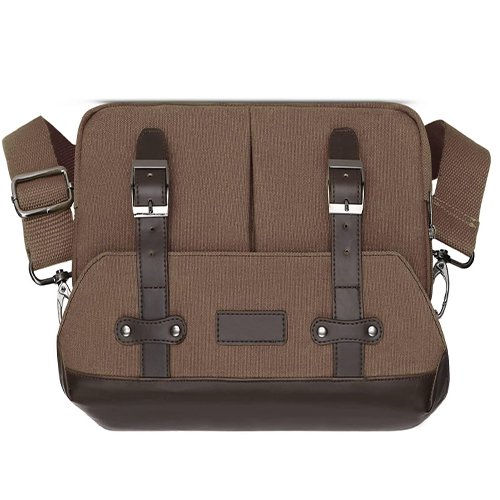
PU Leather Camera Bag

Small Camera Bag

Vintage Canvas Camera Bag

Waterproof Camera Bag
How to convert normal bag to camera bag?
Want camera protection without buying a dedicated bag? With simple modifications, your favorite backpack or tote can safely carry photography gear. Start by choosing a sturdy bag with enough depth to hold your equipment. The essential upgrade is adding padding – either with a purpose-made camera insert (like Tenba’s modular cubes) or by crafting custom dividers from closed-cell foam. Cut the foam to size and secure it with strong Velcro to create compartments for your camera body, lenses, and accessories.
For optimal functionality, ensure your DIY camera bag includes:
- Impact protection on all sides (use at least 1/2″ padding)
- Quick-access openings so you never miss a shot
- Discreet appearance that doesn’t scream “expensive gear inside”
- Weather resistance (add a silicone-coated liner if needed)
Pro tip: Use the bag’s existing pockets for small items like batteries and memory cards. This conversion gives you customized gear protection while maintaining your everyday bag’s style – perfect for photographers who value both security and subtlety.
Are camera bags washable?
Keeping your camera bag clean doesn’t require special treatments – just some basic care tailored to its material. Most modern camera bags made of nylon or polyester can handle gentle hand washing with mild soap, though you’ll want to avoid submerging any leather components. For everyday maintenance, simply wipe down the exterior with a damp cloth and vacuum the interior compartments. Stubborn stains respond well to a soft brush and baking soda paste, while leather trim just needs occasional conditioning. Always air dry your bag completely before use, and remember to remove padded inserts before any cleaning. With these simple steps, your camera bag will stay fresh without compromising its protective qualities or durability.
How do I keep moisture out of my camera bag?
To safeguard your camera equipment from humidity and condensation, start with silica gel packs—these inexpensive desiccant pouches actively absorb moisture (just remember to refresh them monthly). Pair this with smart storage habits: avoid placing your bag on cold floors or against exterior walls where dampness collects. When transitioning between temperature extremes (like moving from air-conditioned spaces to humid outdoors), allow your bag to acclimate for 15-20 minutes before opening. For added protection in wet climates, treat your bag’s exterior with a waterproofing spray and consider using a removable rain cover. After shooting in damp conditions, always air out your bag with compartments fully open, and keep a microfiber cloth inside for quick lens wiping. For serious humidity control, small reusable dehumidifier cans or a compact hygrometer can help monitor conditions. These simple precautions will keep your gear dry without compromising quick access when you need it.
