Whether you’re looking to customize a durable insulated lunch bag for your brand or design a lightweight, colorful one, understanding the production process and operating principles is crucial. Only with a thorough understanding can you choose the best fit for your brand from a variety of insulated lunch bag options and boost your business. As a professional bag manufacturer, Kewei has extensive experience in custom bag projects, including insulated lunch bags. Let’s learn more about insulated lunch bags today.
What Is An Insulated Lunch Bag?
As the name suggests, an insulated lunch bag is a portable bag designed to keep food at a certain temperature, either hot or cold. Insulated lunch bags preserve food by slowing down internal temperature changes, preventing spoilage and bacterial growth, ensuring food safety. A good insulated lunch bag can keep food fresh for 4-6 hours, and adding an ice pack can keep food fresher even longer.
What Styles of Insulated Lunch Bags Are Available?
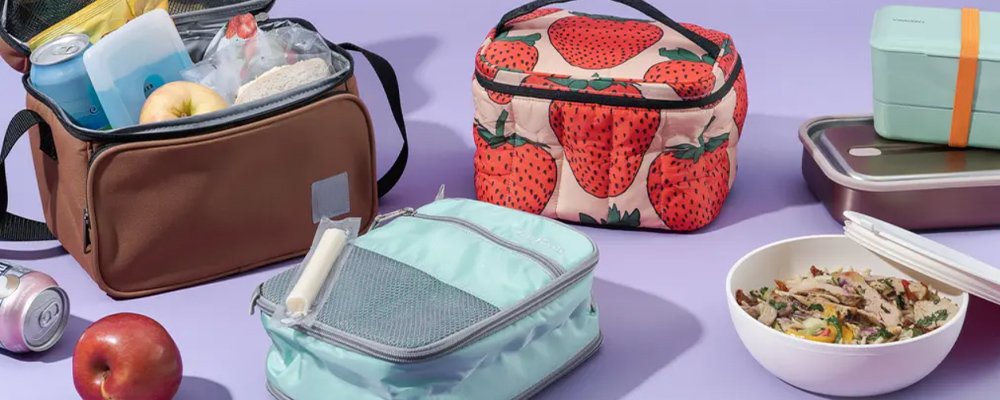
Insulated lunch bags come in a variety of styles to suit different needs. Here are some classic and popular options:
Soft-sided Lunch Bags
This classic design features a one-handle handle and is made of soft EVA foam, making it lightweight and easy to carry. It’s perfect for students, office workers, or picnics.
Hard Insulated Lunch Bags
Hard insulated lunch bags are often made of hard plastic or other composite materials. They retain heat while remaining stiff and stylish, making them ideal for those who prioritize appearance.
Shoulder Lunch Bags
Equipped with adjustable straps, they offer hands-free carrying. They also feature ample interior space and excellent insulation, making them ideal for long-distance travel.
Insulated Cooler Bags
Thick insulation and multiple layers allow for compartmentalized storage of different foods, ensuring cleanliness and hygiene.
Benefits of Using an Insulated Lunch Bag
Whether you’re taking a picnic or bringing your lunch to school or work, an insulated lunch bag offers the following practical benefits:
Keep Food Fresh
Whether storing hot or cold food, an insulated lunch bag can maintain its temperature for a period of time, ensuring a certain degree of freshness and reducing the risk of spoilage.
Easy to Carry
Whether it’s a handheld or shoulder-sized insulated lunch bag, they’re both very easy to carry. And you can enjoy fresh food anytime, anywhere, without worrying about spoilage.
Affordable
Compared to ordering takeout or dining in, using an insulated lunch bag is a very economical way to carry food. It also ensures that your food is clean and reduces the risk of stomach upset.
Environmentally Friendly
Compared to using complicated packaging and disposable plastic containers, an insulated lunch box allows you to use your own reusable lunch box, which is a very environmentally friendly option.
The Common Structures and Materials Used in Insulated Lunch Bags
Insulated lunch bags typically have a three-layer structure: an outer layer, an insulating layer, and an inner layer. They are typically made of durable, heat-insulating materials such as foam, nylon or polyester, aluminum foil, and thermal insulation.
Outer Layer
Nylon or polyester are commonly used as outer shell materials for insulated lunch bags. They are durable, waterproof, lightweight, and easy to clean, making them ideal for the outer layer.
In addition to nylon and polyester, Oxford cloth is also a common outer layer material for insulated lunch bags. It is not only abrasion-resistant, waterproof, and easy to clean, but also has a stiffness that helps the bag maintain its shape, even when stored in a backpack.
Insulation Layer
The insulation layer is a key component of an insulated lunch bag, maintaining its temperature. It is typically made of PE foam, EVA foam, or thermal insulation. These materials generally provide good insulation and are lightweight and soft.
Inner Layer
The inner layer of an insulated lunch bag is often lined with a reflective lining, such as aluminum foil or polyester film. These materials reflect heat away from the food back into the bag, thereby retaining heat.
How Are Insulated Lunch Bags Made?
As a professional Chinese bag manufacturer, Kewei not only offers travel bags, sports bags, commuter bags, hiking bags, military bags, and fishing bags, but also high-quality insulated lunch bags. Therefore, we understand the making of a quality insulated lunch bag:
Design and Development
We typically design the style, structure, and functionality of the insulated lunch bag based on the customer’s requirements, discuss the materials used, and draw a schematic for the customer’s reference.
Prototyping
Before mass production, manufacturers typically provide customers with a sample to confirm that the style, structure, and functionality meet their expectations.
Raw Material Procurement
Based on the order size, we purchase a certain amount of raw materials, such as the main fabric, trimmings, and accessories. During this process, we prioritize suppliers with long-term relationships, proven quality, and timely delivery to ensure that the customer’s order is not delayed.
Production
According to the sample’s dimensions, the outer fabric, insulation layer, and lining are cut using a cutting machine. A specialized machine then laminates the insulation layer with the aluminum foil lining, then combines it with the outer fabric and lining to create a “sandwich structure.”
After lamination and lining assembly, specialized workers perform the sewing process, typically starting with the main pouch, followed by the zipper, interlayer, and handles. Joints are typically reinforced to ensure the insulated lunch bag’s durability.
After the main body is completed, accessories such as zippers, buckles, and drawstrings are installed.
Quality Inspection
The finished insulated lunch bags undergo multiple inspections, including visual inspections for thread removal and zipper smoothness, and performance tests for insulation, water resistance, load-bearing capacity, and abrasion resistance.
Packaging and Shipping
After inspection, the insulated lunch bags are packaged and stored. After confirming the shipping date with the customer, they are shipped together.
How an Insulated Lunch Bag Works?
Many people are curious about how the insulated lunch bag achieves its insulation effect. Kewei’s R&D team mentioned that it relies on several methods to achieve this insulation effect:
Reducing Heat Conduction
Using materials like polyester and nylon effectively reduces the impact of the external environment on the food inside, while insulating the bag reduces the chance of heat escaping. Zippers or clasps make the bag a closed container, further slowing temperature fluctuations.
Thermal Insulation
The foam and insulation between the outer and inner layers of an insulated lunch bag effectively promote heat transfer and convection, thereby achieving thermal insulation.
Thermal Radiation
Reflective linings, such as aluminum foil or polyester film, reflect infrared radiation, preventing heat from escaping through the bag.
What Factors Affect the Insulation of an Insulated Lunch Bag?
The insulation performance of an insulated lunch bag is affected by a variety of factors, primarily the following:
Ambient Temperature
The temperature difference between the internal and external temperatures of an insulated lunch bag can significantly affect its insulation performance, similar to how an insulated lunch bag may not be as effective in the winter as it is in the summer.
Material Type and Thickness
Using high-quality insulating materials, such as EVA foam and thermal insulation, can extend the insulation time of a lunch bag. These materials offer excellent thermal insulation properties. Furthermore, the thickness of these materials also affects the thermal insulation performance of the insulated lunch bag. Thicker materials offer greater thermal resistance, reducing heat conduction and achieving better insulation.
Insulated Lunch Bag Size
Larger sizes allow for more space for heat dissipation, increasing air convection and reducing the bag’s insulation effectiveness. Conversely, smaller sizes confine the heat within a smaller area, extending the insulation time.
Sealing Design and Opening/Closing Durability
Insulated lunch bags with zippers and roll-tops create a more enclosed space, reducing heat loss and extending the insulation duration compared to open or buckled designs. Furthermore, each opening of an insulated lunch bag results in heat loss, so minimize opening and closing.
How to Choose the Best Insulated Lunch Bag for Your Needs?
When choosing an insulated lunch bag, consider several factors, including material, capacity, and construction, to ensure it meets your daily needs.
For Individual Users
Capacity and Construction
A 1L insulated lunch bag is suitable for a full meal; if you need to carry more food, consider a 2L to 3L capacity. Also, consider whether multiple compartments are necessary, for example, if you need separate compartments to prevent odor transfer.
Material
Choose insulated lunch bags made with high-insulating materials, such as nylon exterior, EVA foam insulation, and a reflective interior. These materials maximize the bag’s thermal insulation capabilities.
For Brand Owners or Distributors
If you’re a brand owner or distributor, in addition to considering factors such as price, capacity, construction, material, and manufacturing process, it’s best to choose an insulated lunch bag that can be customized, such as with your own logo, print, or custom color. This will further enhance your brand positioning and increase customer appeal.
Some bag manufacturers, such as Kewei, offer custom designs based on your needs, including OEM and ODM options. If you want to make your insulated lunch bag more distinctive and branded, please tell us, we are willing to help you and help your business grow. Contact us now to get a personalized quote.
FAQ
Q: How long does an insulated lunch bag keep food fresh?
A: Generally, it can keep food hot for 3-4 hours, but the specific duration depends on the design of the bag and the insulation material used.
F: How can I improve the insulation of my insulated lunch bag?
A: If you need to keep food hot, you can preheat the bag with other warm objects before adding it. If you need to store refrigerated food, you can put an ice pack inside. Also, keep the zipper tightly closed and minimize opening the bag. This will help improve the insulation.
F: How long do different materials, such as EVA foam, PE foam, and reflective lining, keep food hot?
A: EVA foam can keep food hot for 4-5 hours; PE foam can keep food hot for 4-6 hours; and reflective lining can keep food hot for approximately 3-5 hours.
F: What kind of customization services do you offer?
A: Kewei can provide a variety of customized services including heat transfer, embroidery, screen printing, care labels, inner labels, etc. Please contact us for details.