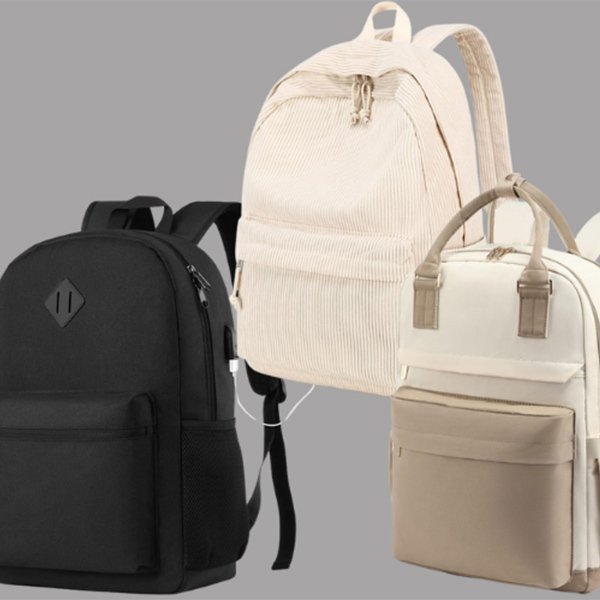
Thanks to its cost-effectiveness, durability, water resistance, easy cleaning, and diverse design customization options, PVC fabric is an ideal material for bag manufacturing. In this guide, Kewei will provide a detailed introduction to PVC bag fabric, covering its advantages as a bag material, the types of bags that utilize PVC fabric, and a comparison of PVC with other fabrics. Whether you are a bag manufacturer, brand, distributor, or retailer, you will find useful information in this guide to help you select the ideal PVC bag products.

Understanding PVC Fabric
PVC, which stands for Polyvinyl Chloride, is a synthetic plastic-coated fabric. Its structure resembles a “sandwich,” consisting of a base fabric, a coating, and a film. The coating is the core layer—the PVC coating—which is firmly bonded to the base fabric through a high-temperature calendering process, forming a plastic film that is waterproof, abrasion-resistant, and easy to clean.
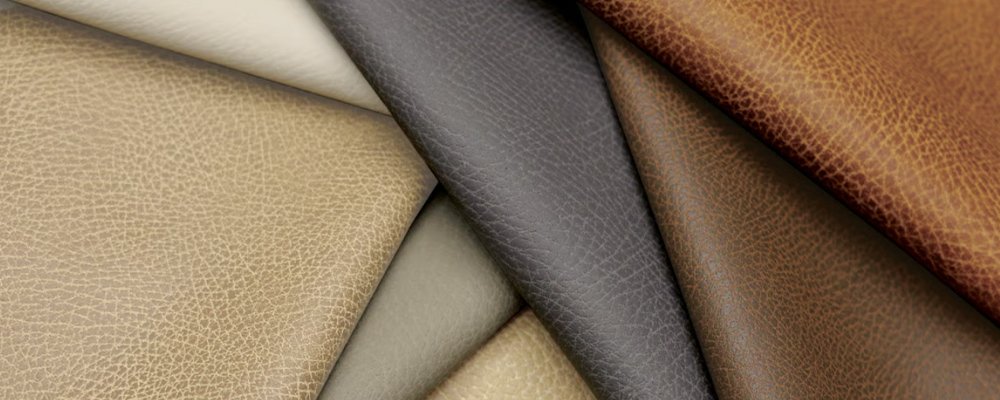
Furthermore, various surface treatments can be applied to PVC fabric, allowing it to achieve different aesthetic effects, such as matte textures, glossy finishes, prints and patterns, or even a leather-like appearance.
These processes give PVC fabric a high degree of customizability, enabling it to be manufactured into various styles of bag products to meet different customer requirements. At Kewei, we support customization options for PVC fabric bags.
Advantages and Disadvantages of PVC Fabric
PVC fabric offers numerous benefits, making it an ideal material for many bags. However, it’s important to note it also has some limitations. When choosing bags made from PVC fabric, Kewei recommends considering the following comprehensive factors:
Advantages of PVC Fabric
Waterproof and Moisture-Resistant
This is the most prominent advantage of PVC fabric, making it highly suitable for outdoor bags. It can withstand rain, spills, and other wet environments, effectively protecting the contents of the bag.
Scratch-Resistant and Durable
Bags made from PVC fabric offer good tear resistance and abrasion resistance. They are not easily damaged and have a long lifespan, standing up well to daily use.
Lightweight
PVC fabric is relatively light, so bags made from it are not heavy, adding minimal extra weight.
Easy to Clean
Stains on the interior or exterior can be effectively cleaned simply by wiping with a damp cloth, saving time and increasing convenience.
Customizable
PVC fabric can not only be made smooth or textured but can also be crafted into vibrant colors and rich patterns, even mimicking a leather appearance. This meets the needs for a range of different bags like transparent bags, wash bags, and beach bags.
Cost-Effective
PVC fabric is more affordable compared to other durable fabrics and leather materials, offering high cost performance. It is a good choice for both brands and consumers.
Improving Environmental Credentials
With growing public environmental awareness and continuous technological updates, the recyclability of PVC fabric is constantly improving. Many bag manufacturers, like Kewei, are also planning to offer recyclable PVC materials to reduce environmental impact.
Disadvantages of PVC Fabric
Stiffer Feel
While PVC fabric has some flexibility, its tactile feel is generally stiffer compared to leather or nylon.
Poor Breathability
PVC fabric itself is not breathable. If a PVC bag lacks additional ventilation design, moisture can easily build up inside, potentially leading to odors over time. Therefore, when using a PVC bag to store damp items, it’s best to remove and clean them promptly after use.
Not Resistant to High Temperatures and UV Rays
Prolonged exposure to high temperatures can cause deformation and even reduce its durability. Extended exposure to direct sunlight can cause fading or brittleness, shortening the bag’s lifespan. Therefore, avoid prolonged sun exposure to maintain its appearance and durability.
PVC Fabric vs. Other Fabrics
As a bag manufacturer, Kewei is familiar with the properties of various fabrics. Here is our summary comparing some common ones:
PVC Fabric: Waterproof, durable, and affordable, but not heat resistant and has poor breathability.
Nylon: Lighter than PVC fabric, but generally less waterproof and sometimes higher in cost.
Polyester: Durable and abrasion-resistant, especially ripstop polyester, but its waterproof performance is typically not as inherent as PVC fabric’s and often requires coatings.
Leather: Softer to the touch and often more durable than PVC fabric, but expensive and sensitive to water/moisture.
Cotton: More breathable than PVC fabric, but not waterproof and can be more difficult to clean.
The Types of PVC Bags
Leveraging its numerous advantages and customizability, PVC fabric can be used to manufacture a wide variety of bag styles. Kewei lists several common types below:
PVC Transparent Bags
Often made from PVC, their fully transparent or semi-transparent nature allows easy viewing of contents. This makes them ideal for venues with strict security checks, like stadiums or large events, helping to speed up the checking.
PVC Cosmetic Bags/ PVC Wash Bags
The good water resistance of PVC fabric helps prevent leaks from cosmetics and toiletries, protecting other luggage items from contamination.
PVC Lunch Bags
Easy to clean, PVC lunch bag w no need to worry about food spilling. Stains inside can be wiped clean easily, maintaining good hygiene.
PVC Beach Bags/ PVC Bags for Outdoor Water Sports
The waterproof nature of PVC makes bags suitable for directly carrying wet clothes, swimsuits, wet towels, or other damp items. Its durability also makes it well-suited for water sports bags, capable of withstanding outdoor environments.
PVC Baby Bags
Baby bags made with PVC fabric are remarkably resistant to milk and water stains, easily cleaning with a gentle wipe.
PVC Student Bags/PVC Travel Bags/PVC Outdoor Bags
The durability, water resistance, and customizability of PVC make it an ideal choice for school, travel, and outdoor sport backpacks, offering sufficient capacity and the ability to withstand relatively complex conditions.
What Customization Options Can You Offer with PVC Fabric?
One of the key reasons why PVC fabric is so popular among bag brands is its numerous customization options, including:
Color and Finish: PVC fabric can be precisely matched to Pantone colors and can be crafted to mimic leather, glossy, matte, or metallic finishes.
Texture and Embossing: PVC fabric can simulate a variety of natural leather textures and geometric patterns to meet diverse custom texture requirements. You can also emboss your brand logo or specific pattern onto the PVC surface through a mold to enhance brand recognition.
Printing and Patterning: PVC fabric supports a variety of customization options, including screen printing, digital direct printing, and transfer printing. You can use the appropriate printing method to imprint your brand logo, pattern, slogan, and more onto PVC bags, enhancing brand awareness and enhancing the bag’s design.

How to Choose the Right PVC Bag Manufacturing Supplier?
Both bag brands and manufacturers need to consider high-quality PVC fabric to ensure the performance of their bags. When selecting a PVC fabric supplier, consider the following factors:
Certifications: Select suppliers certified to environmental and safety standards. You can check the ISO and REACH certifications.
Fabric Selection: Investigate whether your chosen PVC fabric supplier offers a variety of fabric options, including varying thicknesses, textures, and hardware.
Equipment and Technology: Understand the PVC fabric supplier’s manufacturing processes, as well as the size of their factory and workforce. These factors are crucial to production efficiency and lead time.
Sample Quality: Understand their quality control practices and, after receiving samples, test the durability, color fastness, and finish of the PVC fabric.
Maintaining and Caring for PVC Bags
Whether you’re a bag brand owner, distributor, retailer, or consumer, it’s important to understand how to properly store and care for your PVC bags. Kewei has summarized a few tips below that we believe will be helpful.
Store in Direct Sunlight and Avoid High Temperatures
Avoid PVC bags from direct sunlight or high temperatures for extended periods. High temperatures and UV rays can cause them to yellow, become brittle, or even age, affecting their appearance and lifespan.
Store in Shape
When storing, fill the interior of the PVC bag with terry paper. This will maintain its shape and prevent wrinkles and deformation.
Store Individually
When storing, place PVC bags in a breathable dust bag and avoid storing them next to other leather bags or brightly colored items to prevent color caking.
Avoid sharp objects
Although PVC bags are durable and scratch-resistant, they can still be scratched, which is difficult to repair. Therefore, it is best to avoid sharp objects during storage and use.
Clean regularly
To clean PVC bags, simply wipe with a clean, damp, soft cloth. Avoid using harsh detergents to prevent surface damage.

With all the advantages listed above, PVC bags represent an ideal bag solution that is both cost-effective and robust. Kewei offers various customization options for PVC bag solutions. Please feel free to contact us. Let us help power your business growth.