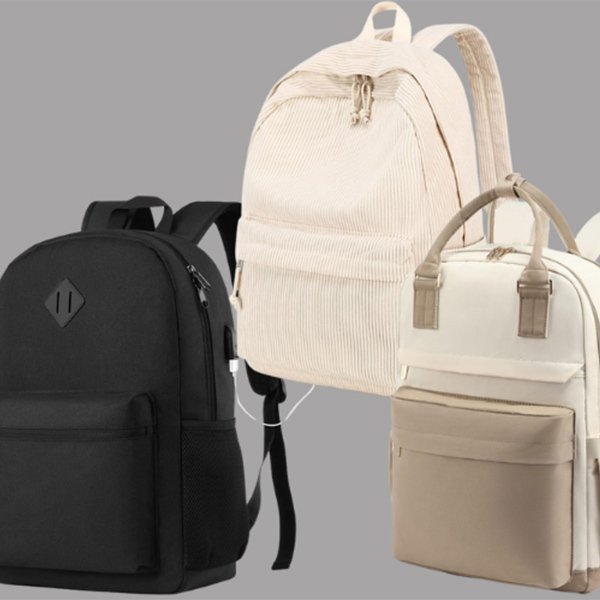
A diaper bag is a backpack style specifically designed for carrying baby supplies when going out. It allows for easy organization of baby’s food, diapers, wipes, and spare clothes, making them quick to find and more organized. Compared to a diaper bag, a backpack offers more free hands and larger capacity, but lacks specific pockets for storing baby items. Both have their advantages. In this blog post, we will discuss the differences between diaper bags and backpacks in detail, helping you better determine the style needed for your brand and target audience during the customization process.

Design Focus
The biggest design focus of diaper bags is their wide variety of styles, ranging from sporty to casual, catering to different needs and even fitting into everyday life.
Backpacks are more suitable for parents who travel frequently. Backpacks typically use thicker shoulder straps to distribute weight evenly across the back, reducing shoulder pressure and improving carrying comfort.
Materials and Durability
Diaper bags are typically made of Oxford polyester, vegan leather, or blended fabrics. They usually have a waterproof coating on the outside and a baby-safe, wipe-away lining on the inside to ensure dryness inside and out.
Backpacks, on the other hand, are typically made of 1000D nylon with a DWR waterproof coating. The interior usually has only a regular lining and lacks baby-safe certification. Their zippers, seams, and buckles are also less robust and durable than those of diaper bags.
Carrying Methods
Diaper bags come in various styles, but most are hand-carried. Some are designed for the shoulder, but carrying them for extended periods can be uncomfortable. Therefore, diaper bags are usually hung or placed in a stroller. When purchasing a diaper bag, pay attention to whether the design is ergonomic, such as whether the shoulder straps are adjustable and whether the handles are reinforced.
Backpacks are mostly designed for the shoulders, freeing up parents’ hands and allowing them more energy to care for the baby. Their reinforced shoulder straps distribute weight more evenly, reducing strain on the shoulders and back. In addition, some backpacks feature S-shaped shoulder straps and foam back padding, further enhancing convenience and comfort when going out.
Structure and Capacity
Generally, diaper bags have a capacity of about 14-18 liters, with slightly larger ones reaching 20-22 liters. They are equipped with different compartments and pockets, allowing for organized storage of diapers, baby food, as well as mobile phones, wallets, and keys. This orderly design makes it easy to find and access items, making it ideal for parents who value both style and practicality.
Backpacks have a larger capacity than diaper bags, generally ranging from 18-30 liters. Besides storing essentials, they can also hold blankets, breast pumps, or baby lunchboxes. With durable materials and an easy-to-open design, diaper backpacks are an ideal choice for parents who frequently travel with their babies.
Access Method
The main compartment of a diaper bag features a wide opening for easy one-handed access to items. External pockets provide convenient access to items such as pacifiers, hand sanitizer, wipes, and bottles, reducing the time spent opening and retrieving items.
Most backpacks feature a top opening or a flip-top zipper design, requiring the backpack to be removed from the back before accessing items. This can be inconvenient for parents traveling alone with a baby.
Bottle Management
Some diaper bags have insulated pockets that can keep pre-prepared formula warm for 2-4 hours, with elastic drawstrings or buckles to prevent spills. Some higher-end diaper bags even come with USB-powered bottle warmers for even longer insulation, which is very convenient for parents traveling short distances with their babies.
Compared to diaper bags, backpacks rarely have insulated pockets, requiring parents to purchase insulated bags separately to keep pre-prepared formula warm. This increases the hassle of packing and unpacking the bag and indirectly increases costs.
Stroller Integration
Diaper bags usually have Velcro or snap-on stroller straps, allowing the diaper bag to be easily attached to the stroller handle. This frees up the hands, makes it easy to access items while walking, and increases flexibility.
Backpacks lack stroller hooks and require separate purchase and assembly, increasing pre-trip preparation. Additionally, backpacks are heavier than diaper bags; carrying too many items can cause strollers to become unstable, tilting and tipping over, reducing safety.
Cleaning
Diaper bags are designed for infants and toddlers, using durable, waterproof, and easy-to-clean materials. Spills like formula or leaking water bottles allow for quick cleaning, saving time.
Backpacks are made of different materials; some, like nylon and canvas, absorb stains more easily. Spills like formula require immediate cleaning of the entire bag to prevent odors.
Travel-Friendliness
Diaper bags can be easily stored under the seat for convenient access during flights. Side pockets simplify TSA liquid checks, improving travel efficiency.
Backpacks are more convenient to carry, especially when navigating airport terminals, hotels, and public transportation, freeing up your hands to care for the baby or push a stroller. However, it needs to be opened for inspection during security checks, which is slightly more cumbersome than a diaper bag.
Security
While the open top design of a diaper bag makes it easy to access items, it also exposes wallets and phones in public, increasing the risk of theft. Therefore, zip it up immediately after use or place valuables in a hidden compartment.
Backpacks, on the other hand, are often made of scratch- and cut-resistant materials, and the zippers enhance their anti-theft performance in public.
Customization Services
OEM bag factories can customize diaper bags with metal nameplates, embossed patches, screen-printed logos, etc., on the front of the bag or the zippers, enhancing brand awareness and uniqueness.
Backpacks are larger than diaper bags, making them suitable for embroidery and heat transfer printing. However, if the backpack has a complex structure and manufacturing process, the minimum order quantity will be higher.
When choosing between a customized diaper bag and a backpack, you should consider the usage habits of your target consumers. If your target consumers are mostly parents who value style and practicality, then you might consider customizing a fashionable diaper bag. If your target audience frequently travels, goes out, or needs to carry a lot of items, then a custom backpack or hybrid design is more suitable. Furthermore, whether customizing a diaper bag or a backpack, it’s essential to use durable, waterproof, and easy-to-clean fabrics and accessories, and to prioritize ergonomic design. These factors can effectively reduce after-sales issues, improve the user experience for your customers, and increase repeat purchases.
At Kewei, we have over 15 years of experience in custom bag design and manufacturing. From design, sampling, OEM/Packaging, minimum order quantities, and material selection, we can provide customized solutions for you. Whether you want to customize a high-quality, stylish diaper bag or a large-capacity backpack, we can turn your ideas into reality based on your needs. Contact Kewei today and let us help your business grow!
FAQ
F: What components should a professional diaper bag typically include?
A: A professional diaper bag should typically include the following essential components to enhance the user experience:
- A wide, sturdy bottom: A wide, sturdy bottom ensures the diaper bag remains upright even when not fully filled, allowing for organized storage and easy access to items;
- Easy-to-clean material: Easy-to-clean materials allow for quick wiping, reducing cleaning time for stains or milk residue;
- Zipper or magnetic snap: Professional diaper bags often feature zippers or magnetic snaps for easy one-handed operation;
- Main compartment: A spacious main compartment provides convenient storage;
- Bottle bag: Professional diaper bags come with a large bottle bag suitable for babies of different ages;
- Insulated pocket: An insulated pocket helps maintain the temperature of pre-prepared formula or breast milk for a period of time, making outings more convenient.
F: What styles of diaper bags are available?
A: Diaper bags come in various styles. Based on our experience, they generally include:
- Backpack-style diaper bags: These free up your hands, making it convenient to care for your baby while out and about. However, they need to be removed from your back to use, which can be inconvenient in emergencies.
- Handheld diaper bags: These are stylish and convenient to carry. However, they are not suitable for prolonged carrying when full.
- Messenger diaper bags: These can be worn diagonally to free your hands, but they are not suitable for prolonged carrying, especially when full, as they can put excessive pressure on one shoulder and cause discomfort.
- Waist bag-style diaper bags: These are small and lightweight, but have limited capacity, suitable for parents who only need to carry a few items.
F: Who are diaper bags suitable for?
A: Diaper bags are suitable for caregivers who need to care for infants or the elderly. Infants and the elderly needing care need to carry many items before going out, such as food, wipes, diapers, spare clothes, etc. Diaper bags allow for organized storage of these items.
F: How long is a diaper bag typically used?
A: Provided it is not damaged, a diaper bag can be used for 3 to 5 years until the child no longer needs diapers, bottles and other items.