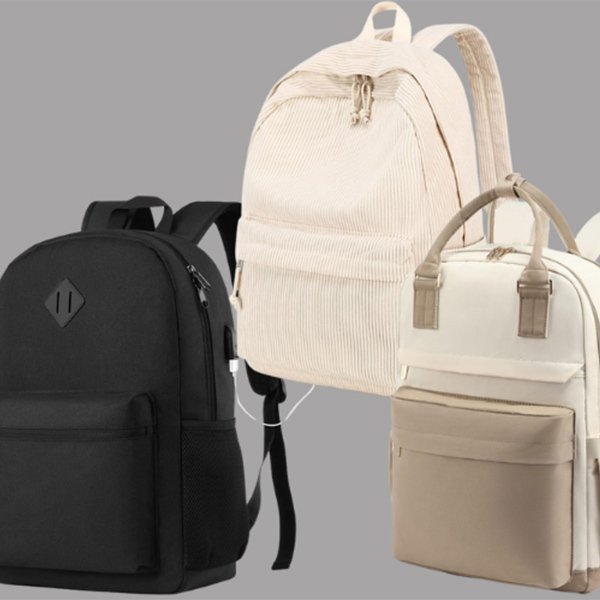
Whether you’re staying with a friend, going on vacation, or on a business trip, the night before departure often brings us anxiety about what to pack. What should I bring? What bag should I choose? How can I maximize the space to pack it all? In this guide, we’ll provide a detailed overnight packing list to help you better prioritize your essentials. Let’s take a look!
What Features Should a Good Overnight Bag Have?
- Durability: A durable overnight bag makes traveling more worry-free. Choose overnight bags made of durable materials, such as abrasion-resistant canvas, ballistic nylon, or treated polyester. For accessories, prioritize overnight bags with reinforced seams and durable, waterproof zippers (such as YKK zippers).
- Size: Overnight bags on the market typically range in capacity from 20L to 40L, enough to hold essential overnight items while remaining easy to carry. 20L to 30L overnight bags are suitable for short business trips or commutes. 30L to 40L overnight bags are better suited for weekend getaways or gym visits.
- Structure: Overnight bags with multiple compartments offer better convenience and speed. Features such as a separate shoe compartment, waterproof toiletries divider, padded electronics compartment, and quick-access pockets greatly enhance the user experience.
- Comfort: Comfort is a primary consideration for many users when purchasing an overnight bag. Choosing an overnight bag with padded shoulder straps, handles, or a back panel effectively improves carrying and retrieval comfort. Furthermore, overnight bags with luggage handle covers can be attached to suitcases, reducing carrying pressure and making travel easier and more comfortable.
Essential Overnight Packing List
Whether you’re traveling for one night or two or three, it’s best to have all the essentials ready. This way, you won’t have to search for items in a separate city or borrow them from others. This will significantly reduce the burden on your overnight trip and enhance your travel experience.
Packing List for a One-Night Stay
If you’re only staying one night, focus on packing light and practical items to significantly reduce your luggage weight. You can use this list to filter your essentials:
Clothing
One change of underwear
One set of regular clothes
One set of pajamas (optional)
One pair of socks
One coat (for unexpected weather conditions)
One pair of slippers
Toiletries
Toothbrush and toothpaste (depending on availability; some hotels may provide them)
Small bottle of facial cleanser
A portable skincare product set
One disposable towel
Comb and hair tie
Toilet paper
Basic medications (painkillers, fever reducers, cold medicine, mosquito repellent, sunscreen)
Electronics
Mobile phone
Charger
Power adapter
Power bank
Earphones
ID and Financial Items
ID card
Passport
Hotel reservation information
Wallet (cash, credit cards, bank cards)
Personal belongings
Wet wipes
Umbrella
Sunglasses
Packing List for a 2-3 Night Trip
Compared to a one-night stay, you’ll need to pack more for a 2-3 night trip, but the biggest addition will be clothing. Whether you’re traveling or just wearing everyday clothes, having enough clothes ensures personal hygiene and freshness, as washing clothes isn’t always easy when traveling.
Clothing
3-4 sets of underwear
3-4 sets of work clothes
One set of pajamas
2-3 pairs of socks
One pair of versatile shoes
One pair of slippers
Toiletries
Travel toothpaste and toothbrush
Travel-sized facial cleanser
Travel skincare set
Razor
One towel and one bath towel
Comb and hair tie
Basic medications (painkillers, fever reducers, cold medicine, mosquito repellent, sunscreen, Band-Aids)
Makeup remover wipes or cream
Electronics
Mobile phone
Power bank
Charger
Electronic wall adapter
Earphones
Computer or tablet (optional)
Camera or action camera (optional)
ID and Financial Items
ID card
Passport
Driver’s license
Hotel reservation information
Visa (for international travel)
Wallet (cash, credit cards, bank cards)
Keys
Personal Belongings
Masks
Wet wipes
Water bottles
Eye masks
Sunglasses
What Capacity is Ideal for an Overnight Travel Bag?
The ideal capacity for an overnight travel bag is one that can hold travel essentials while remaining easy to carry. The ideal capacity is typically between 20L and 40L. You can purchase different capacities based on your customers’ usage habits.
If the users prefer a minimalist approach, then 20L to 30L is their ideal overnight travel bag capacity. It can accommodate changes of clothes, toiletries, and some electronic devices.
For those staying overnight for 1-3 days, needing to store more clothes, shoes, and a wider variety of toiletries. In this case, a 30L to 40L overnight travel bag is more suitable and also meets the carry-on baggage requirements of most flights.
A 40L to 50L capacity overnight travel bag is suitable for overnight trips exceeding 3 days or for those needing to carry more gear. However, note that this may exceed the carry-on baggage requirements of some flights, requiring additional check-in.
How to Choose The Right Pack Bag
After compiling your list of necessary luggage, we need to consider what kind of travel bag to use. Common travel bags fall into the following categories, and you can choose the right one based on the number of items you’re carrying:
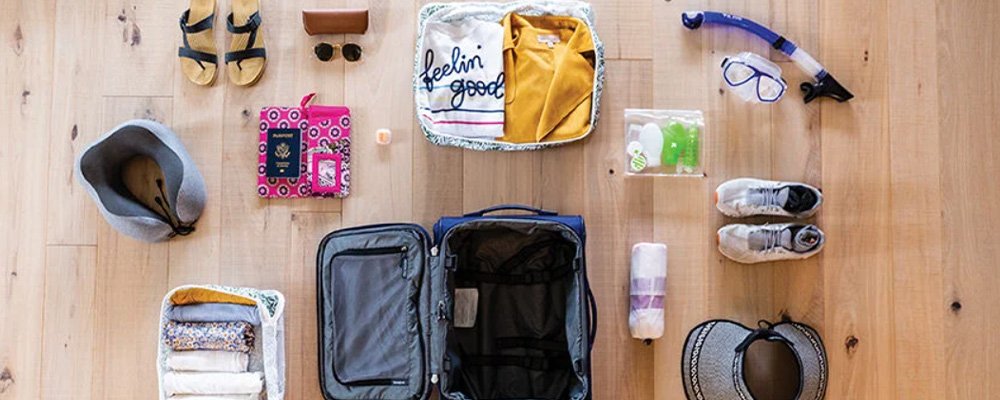
Travel Bags
When you’re traveling with a small amount of items, you can use a travel bag. Not only does it have ample storage space, it also features various compartments and pockets to organize your belongings, making them easier to store and find.
Duffel Bags
In addition to travel bags, duffel bags are also a popular travel bag style because they are spacious, easy to use, and versatile. Duffel bags typically feature a large, open main compartment that can easily hold clothing and other items, and their simple design makes packing and unpacking quick and easy.
Rolling Suitcases
When traveling for longer periods, people often choose rolling suitcases. Perhaps a single rolling suitcase can hold all your belongings. Combining them with compression bags or organizers can maximize space and provide compartmentalized organization. Furthermore, wheels can significantly reduce physical strain and improve travel comfort.
Trolley Bags
Trolley bags combine the features of a backpack and a rolling suitcase, allowing for both carrying and pulling, making them ideal for extended trips. Besides being convenient to carry, their spaciousness and multiple compartments make it easy to store belongings and adapt to a variety of situations.
Carry-on Bag
When traveling by plane, people often carry a carry-on bag in addition to a larger travel bag. This is primarily used to store personal belongings such as ID cards, visas, wallets, phones, and charging cables. This minimizes check-in time and ensures the safety of personal belongings.
How to Efficiently Pack Your Luggage?
After sorting your luggage list and choosing a travel bag, the next step is to pack your belongings efficiently, making the most of the space and arranging them as easily as possible for easy access. Follow Kewei to learn packing tips and guidelines for different travel bags.

Travel Bags
When packing a travel bag, organize your luggage by weight and size. Place larger or heavier items at the bottom, closer to your back, to evenly distribute the weight and reduce back strain.
For clothing and other foldable items, it’s best to roll them rather than fold them in a pack. This not only saves space but also reduces wrinkles. Stack the rolled clothing vertically at the bottom of the pack, usually in the largest compartment.
Most travel bags have multiple compartments. You can place toiletries in the front compartment, which is the front pocket, for easy access. For important documents like electronics and wallets, place them in the center compartment or in a separate pouch in the larger compartment, as placing them in the front pocket may pose a security risk.
Duffel Bags
Duffel bags have a wider opening, making it easier to fit your luggage. First and foremost, place heavier items at the bottom, such as thick coats, jeans, and shoes, which are not easy to roll up. This prevents creases and provides a stable bottom structure for the bag, preventing it from collapsing.
After packing larger luggage, roll up some lightweight clothing and place them on top, like a burrito, stacking them one by one. This saves space and reduces wrinkles.
Once most of your luggage is packed, sort out any remaining small items, such as toiletries, socks, and underwear, and place them in any unfilled spaces in the bag. Frequently accessed items can be placed at the top, and finally, zip up and you’re done.
Rolling Suitcases
Packing a rolling suitcase is similar to packing a duffel bag. Place heavier or hard-to-fold items, such as shoes and jackets, at the bottom first. Then, roll up other clothing, such as T-shirts and shirts, and place them in the suitcase. Finally, stuff any remaining small items into the gaps.
If you prefer compartmentalized storage, you can use a different type of bag: a storage cube. First, place your categorized luggage items into the cube, then place the cube inside the rolling luggage. This not only creates a neat and tidy appearance, but also makes it easy to find what you need when you open the rolling luggage.
Trolley Bags
When packing a trolley bag, it’s important to distribute the weight evenly. Consider placing heavier items, such as shoes and electronics, near the wheels first. This helps maintain the overall center of gravity of the bag. Of course, frequently used electronics should be avoided at the bottom, as they’re difficult to access.
Toiletries and other items you don’t need frequently can be placed in divider bags at the bottom of the trolley bag.
Place other clothing, such as T-shirts, shirts, and pajamas, in the middle. These should also be rolled up and placed inside the trolley bag. Finally, place items you need to access frequently, such as your passport and charging cables, at the top. This will reduce the chance of you rummaging through items and disrupting your organized luggage.
Finally, USLiNT kindly reminds you to pack only what you absolutely need to minimize your travel burden. Before packing, check the weather and temperature at your destination and decide whether to bring a thick coat, umbrella, or an extra change of clothes. Once all your luggage is ready, you can relax and wait for your departure!
FAQ
F: Weekender Bag vs. Duffel Bag, Which should you choose?
A: Weekender bags and duffel bags both belong to the travel bag category. And they are two common overnight bag styles chosen by enthusiasts for overnight travel or business trips. There are some differences between weekender bags and duffel bags.
- Weekender bags emphasize design, portability, and compartmentalization. Capacity is generally between 25L and 40L, suitable for short overnight trips.
- Duffel bags prioritize functional design, durability, and storage capacity. Capacities vary, generally ranging from 30L to 80L, with some exceeding 80L, making them ideal for long overnight trips.
F: Is a leather or fabric overnight bag better?
A: Leather overnight bags have a more upscale and sophisticated feel and are less prone to absorbing odors, but require careful daily maintenance.
Fabric overnight bags, such as canvas and nylon, are cheaper, lighter, and easier to maintain than leather, but tend to absorb and retain environmental odors more easily.
The choice between leather and fabric overnight bags depends on the user’s needs.
F: What are the size requirements for an overnight bag as carry-on baggage?
A: Most airlines stipulate that carry-on baggage must not exceed 22 inches x 14 inches x 9 inches. Avoid overpacking your overnight bag to prevent exceeding size limits.
F: What is the best opening design for an overnight travel bag?
A: Based on Kewei’s design and manufacturing experience, the U-shaped opening is the best opening design for overnight travel bags. This is because the U-shaped opening makes it easy to put in and take out luggage, achieving the effect of quick packing and quick retrieval of items.