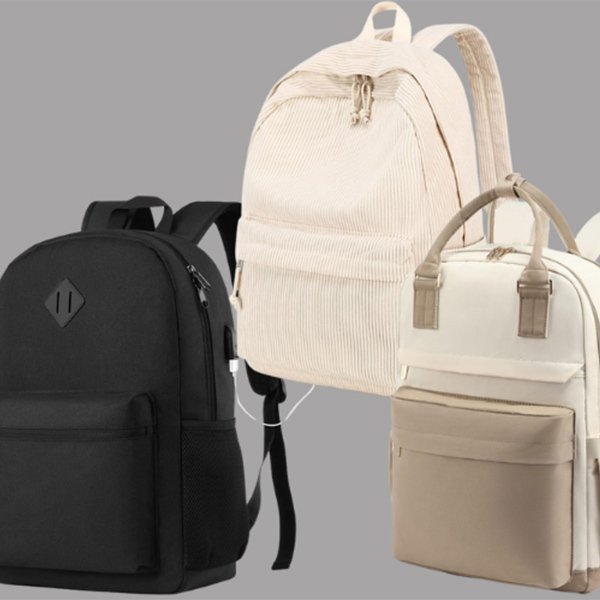
A dry bag backpack can keep its contents dry even when fully submerged, while a waterproof backpack mainly protects against light rain, splashes, and everyday moisture. Besides waterproofing, the choice between a dry bag backpack and a waterproof backpack should also consider the nature of the activity, user experience, and cost.
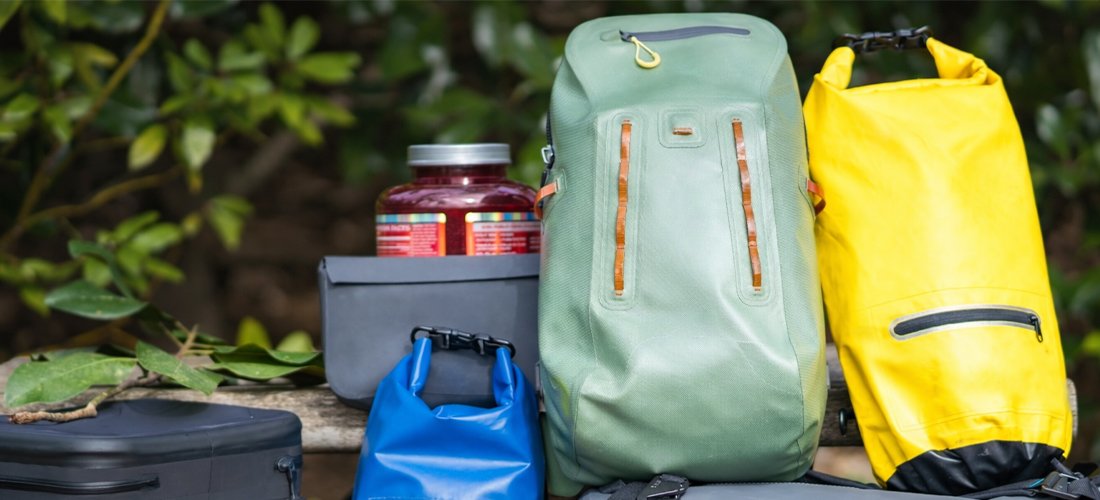
Dry Bag Backpacks vs Waterproof Backpacks: Pros & Cons
Both dry and waterproof backpacks have their own advantages and disadvantages. Buyers need to fully understand these advantages and disadvantages to make a better decision.
Dry Bag Backpack Pros
The biggest advantage of a dry bag backpack is its complete waterproofness. Even if accidentally dropped into a river and fully submerged, it effectively keeps your gear dry. This advantage ensures that you don’t need to worry about the safety of your belongings in any environment, giving you greater peace of mind.
Furthermore, dry bag backpacks come in different sizes. Larger dry bag backpacks can hold all your essentials at once, eliminating the need to carry additional bags and effectively reducing your burden. Small dry pouches are ideal for use as backpack internal organizers. Placing food, electronics, and clothing in separate dry pouches before putting them in the backpack not only makes them easier to find and use but also further enhances waterproof protection.
Dry bag backpacks typically use durable fabrics such as PVC tarpaulin, TPU, and nylon. These durable materials ensure that dry bag backpacks can withstand rough handling and are not easily damaged, making them suitable for kayaking, camping, outdoor activities, and even everyday use.
Dry Bag Backpack Cons
While dry bag backpacks offer many advantages, they also have some drawbacks. Although waterproof fabrics are durable, they lack breathability. Prolonged sealing of wet items or equipment can easily lead to odors. Some people use additional storage bags to store wet clothing or equipment to reduce odors.
Besides insufficient breathability, you might find that dry bag backpacks feel stiff initially, making them difficult to fit into small spaces. However, with increased use, the fabric softens, improving the feel.
Because dry bag backpacks typically use a roll-top seal, some models may lack the top handle. This makes them less convenient and quick to use than bags with handles, especially when carrying heavier items. Furthermore, the roll-top seal must be used according to the manufacturer’s instructions to ensure a tight seal and waterproofing. Before each use, check that the roll is tightly closed; otherwise, water may seep into the bag.
Waterproof Backpack Pros
Compared to dry bag backpacks, waterproof backpacks often use lightweight fabrics and a more compact design, making them more convenient and flexible to use. Features such as top handles and adjustable shoulder straps further enhance comfort during use and carrying. Their lightweight, flexible, and comfortable characteristics make waterproof backpacks an ideal choice for short trips, commutes, and leisure outings.
In terms of closure, waterproof backpacks typically use zippers, snaps, or flaps. This design allows for quick access to items and also improves security, reducing the risk of theft in crowded places. While waterproof backpacks aren’t fully submersible, they can still protect your belongings from light rain, splashes, and spills. Many commuters and travelers choose waterproof backpacks as their carry-on luggage for commuting and traveling in rainy weather.
Waterproof Backpack Cons
While waterproof backpacks are lightweight and convenient, they also have some drawbacks. It’s important to understand these disadvantages before choosing one.
Insufficient Waterproofing. Although waterproof backpacks can prevent splashes like light rain, they are not completely waterproof. Additionally, zippers, buckles, flaps, and seams can leak under extreme conditions. If the bag falls into water, it won’t effectively protect your gear. If you need a backpack for activities like boating or surfing, a dry bag backpack is usually the better choice.
Limited Protection. Waterproof backpacks are more flexible and softer than dry bag backpacks, making them easier to pack and fold into small spaces. To achieve this, waterproof backpacks use less padding or a hard shell, so they offer limited protection for items inside in the event of bumps or drops. If you need to carry fragile items in your waterproof backpack, it’s best to use an additional padded protective bag first.
Poor Breathability. Like dry bag backpacks, waterproof backpacks can trap moisture inside, which may lead to odors or mold if wet items are stored for too long. For better hygiene, Kewei recommends cleaning and drying the waterproof backpack after each use.
Dry Bag Backpack | Waterproof Backpack | |
Pros |
|
|
Cons |
|
|
How to Choose Between a Dry Bag Backpack and a Waterproof Backpack?
Many buyers struggle with choosing between a dry bag backpack and a waterproof backpack. However, you can easily make the choice by considering a few key points. Here are a few practical points to help you decide.
Consider the type of activity
Choosing the type of backpack based on the type of activity will maximize the protection of your gear.
- Water Sports: For water sports such as kayaking, rafting, and surfing, there’s a possibility that the bag might fall into the water and be completely submerged. Choosing a dry bag backpack will ensure that your gear remains dry in the water.
- Outdoor Hiking/Camping: For hiking and camping in wet or unpredictable environments, a dry bag backpack offers better protection.
- Commuting/Leisure Outings: A lightweight waterproof backpack reduces unnecessary weight, making travel more convenient. It also protects electronic devices and work documents from rain.
Sealing Capacity
Roll-top Dry Bag Backpacks: Rolling the top down at least three times helps create a more secure watertight seal, while welded seams offer stronger waterproof protection.
Waterproof Zippers: Waterproof zippers can improve water resistance, but they usually do not provide the same level of protection as a roll-top closure with welded seams.
Regular Zippers: Waterproof backpacks with standard zippers and stitched seams offer limited protection in heavy rain or wet conditions.
Size
Different uses require different backpack sizes. Here are some common backpack size selection guidelines:
5-10L: Small backpacks are suitable for short commutes, cycling, running errands, or carrying small essentials such as wallets, phones, and snacks.
10-20L: Suitable for day hikes, day trips, travel, and can hold a change of clothes and basic toiletries.
20L+: Better for camping, long-distance travel, or packing team gear. For easier use, we recommend using smaller bags to organize items.
Recommendation: If you are a retailer or brand owner, offering both dry bag backpacks and waterproof backpacks in multiple sizes can help you serve different customer needs more effectively.
Consider Performance
Durability and portability are important factors to consider when choosing a backpack. Dry bag backpacks often use sturdy materials such as PVC tarpaulin or TPU, while waterproof backpacks often use lightweight materials. Therefore, dry bag backpacks are generally more durable and less prone to damage than waterproof backpacks. However, using more durable materials also means greater weight. Furthermore, dry bag backpacks mostly only come with shoulder straps and lack a top handle, making them more difficult to carry. Waterproof backpacks have adjustable shoulder straps and a top handle, and their lighter weight makes them much easier to carry than dry bag backpacks.
- Dry Bag Backpacks: Capable of handling harsh environments, highly waterproof, and resistant to damage. With careful maintenance, they can last for many years.
- Waterproof Backpacks: Lightweight design, easy to carry, suitable for everyday use. However, they may leak water and wear down under harsh conditions.
Cost and Long-Term Value
Dry bag backpacks are designed for harsh environments, using durable materials and reinforced seals, thus commanding a higher price. Their average price ranges from $20 to $100, or even higher. Waterproof backpacks are designed for commuting, school, and other light use, using lightweight waterproof fabrics and having a simpler structure, making them cheaper than dry bag backpacks, generally ranging from $10 to $50.
For everyday use, a waterproof backpack is a more cost-effective choice. However, for water sports and outdoor adventures, a dry bag backpack is a wiser choice. Its durable construction makes it more reliable in wet and demanding environments.
Feature | Dry Bag Backpack | Waterproof Backpack |
Waterproof Level | Fully waterproof | Splash-proof/ water-repellent |
Weight | Heavier | Lighter |
| Closure | Roll-top | Zipper/ Buckle |
Advantages | More durable | More portable |
Price | Higher | Low cost |
| Access | Slower | Faster |
Protection | Better in extreme wet conditions | Better for convenience |
| Best for | Water sports, boating, harsh outdoor use | Commuting, travel, daily use |
Choosing between a dry bag backpack and a waterproof backpack involves more than just comparing a single factor; it requires comprehensive consideration. As an experienced backpack manufacturer, we typically offer clients customized, multi-layered solutions. For example, adding a small, built-in dry bag to a waterproof backpack not only facilitates organization and storage but also provides better waterproofing.
Kewei helps brands develop both dry bag backpacks and waterproof backpacks for different markets and use scenarios. We support custom materials, designs, logo applications, colors, and packaging based on your project. With low MOQ support, you can test new products with less risk. Contact us for OEM/ODM solutions tailored to your market and product concept.
FAQ
How to clean a waterproof backpack?
The surface of a waterproof backpack is smooth and flat; simply wipe it with a damp cloth to remove stains. Avoid using harsh cleaning agents and it’s best not to machine wash it.
Will a dry bag backpack float if dropped into water?
Whether it floats depends on the weight of the items inside and the amount of air trapped. If a dry bag backpack is packed lightly, well-sealed, and has ample internal space, it may float briefly.
Is a roll-top closure better than a zipper for waterproofing?
Yes. A roll-top closure is itself a waterproof barrier. Combined with welded seams, it provides better waterproofing than a zipper, especially in harsh, wet environments.