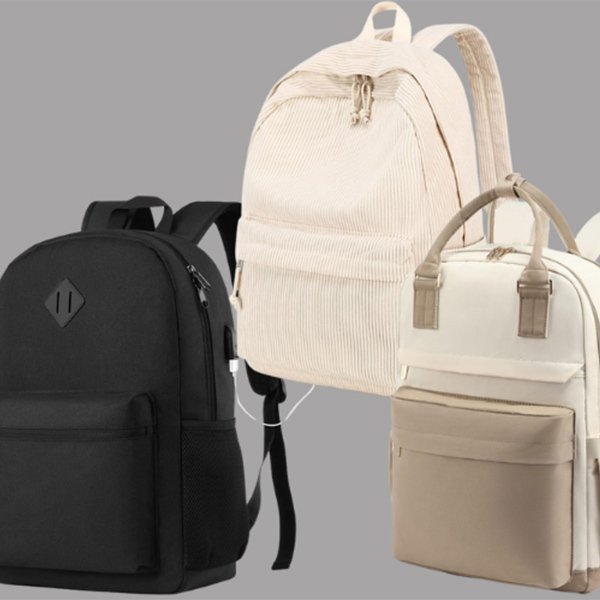
Whether it’s a laptop bag, hobo bag, lunch bag, golf bag, crossbody bag, tool bag, or baseball bag, the construction of a bag shares some similarities, differing only in design and materials. Today, Kewei will share a comprehensive bag construction guide to help you quickly understand the various components and their functions, enabling you to professionally and quickly begin your bag customization project.
Bag Construction

Fabric
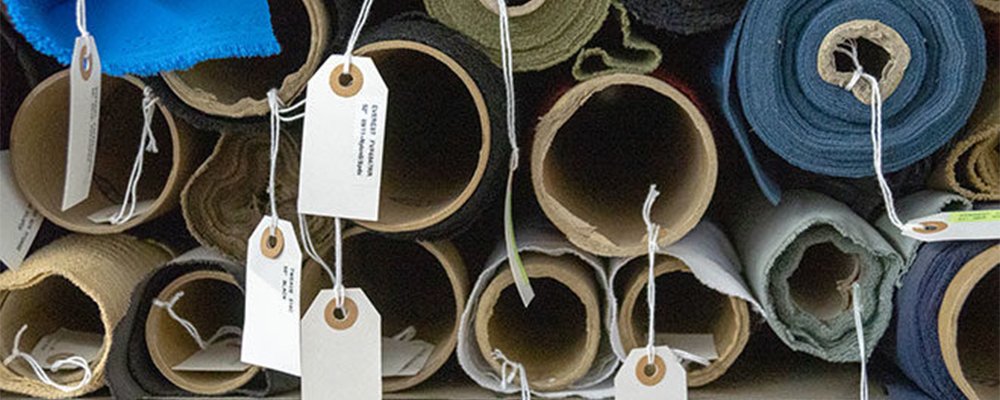
Fabric is the most important component of a bag’s construction and occupies the largest area. bags on the market are made from a variety of fabrics, including nylon, polyester, canvas, leather, waterproof materials, and even recycled, eco-friendly materials. Kewei has written detailed introductions to many different fabrics; please visit our blog for more details!
Size
When choosing and customizing a bag, size is crucial because it directly impacts the user experience. For example, bags designed for long-distance travel and hiking are typically larger because they need to carry more luggage. Fashionable women’s bags and everyday commuter bags are smaller and only need to carry a few daily items.
Bag Straps
bag straps are a crucial component of a bag, providing stability, support, and, when combined with the buckles, adjustment. bag strap types primarily include shoulder straps, waist straps, and chest straps. Shoulder straps are essential for both single-shoulder and double-shoulder bags. For high-quality hiking and large-capacity mountaineering packs, additional adjustable waist and chest straps can further secure the bag, reduce movement, and enhance carrying comfort.
In addition to the three types of bag straps mentioned above, some bags also feature compression straps and elastic bands. Compression straps are typically located on the front or side of a bag, primarily to reduce movement and allow for carrying external items. bags with compression straps are popular with many outdoor brands, including Kewei.
Bags with elastic bands offer better security. Some elastic bands are located inside the bag to prevent items from becoming cluttered and evenly distribute the weight, improving comfort.

Bag Buckles
Bag buckles primarily secure and adjust bags. They come in a variety of styles, including buckles, ladder buckles, hook buckles, and magnetic buckles. Buckles are also made of different materials, such as nylon, plastic, and metal. The choice of buckle depends primarily on its function and customer needs.

Zipper
Zippers play a crucial role in securing the contents of a bag. Common zippers include rubber, plastic, and metal. Metal zippers offer a more premium feel and are more durable. Most brand customers choose YKK zippers for their superior quality and performance.

Velcro
Velcro is simpler and more convenient to use than zippers. Some bags use Velcro as the primary closure system, while others incorporate it into front pockets for quick access.

Magnetic Snaps
Magnetic snaps are another great option for bag closures. Compared to zippers and Velcro, magnetic snaps offer a more stylish design, but they may not offer the same level of closure as the other two and can easily fall apart. Therefore, magnetic snaps are more suitable for fashionable bags.

Rivets
Rivets are typically made of metal and are used to secure or decorate bags. Fashionable leather bags and denim bags often feature rivet reinforcements. Rivets are not only more durable and durable than sewing, but also add a touch of class and style.

Hidden Pockets
Hidden pockets are found on bags’ back panels, internal compartments, and shoulder straps, primarily to protect personal belongings and deter theft.

Reflective Strips
Reflective strips are commonly found on cycling messenger bags, dirt bike bags, running vests, and hiking bags. Their reflective effect enhances safety during nighttime cycling and running.

The above is a comprehensive guide to bag construction. A comprehensive understanding of bag construction is crucial and essential for both bag manufacturers and bag brands. Only with a comprehensive understanding of bag construction, including its location and technical terminology, can bag manufacturers appear more professional and better communicate with bag brands and develop bag projects. Only with a comprehensive understanding of bag construction can bag brands accurately express their requirements, thereby expediting the design and production of bags.
Kewei is a professional custom bag manufacturer in China. We possess extensive and specialized bag knowledge, along with our own physical factory and comprehensive supply chain. We can design, customize, and produce bags to your exact specifications. Please feel free to contact us to assist with your custom bag project!