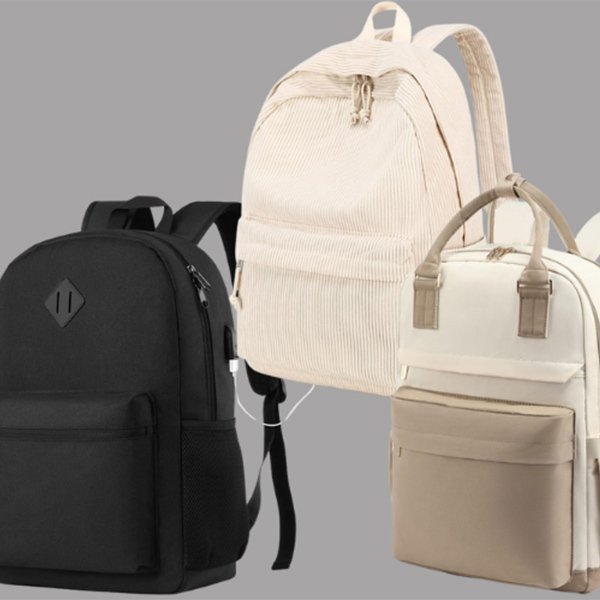
When customizing bags for water sports, many brands and buyers are unsure whether to choose dry bags or waterproof bags. What’s the difference between dry bags and waterproof bags? Simply put, a dry bag is a bag that keeps its contents dry even when submerged in water; it’s 100% waterproof. A waterproof bag is designed to protect against splashes, rain, and damp weather, but it’s not completely waterproof.
If you want to learn more, check out the guide from Kewei. I’ll explain the differences between dry bags and waterproof bags in detail.
Dry Bag vs Waterproof Bag: Different Definitions
Let’s first understand the different definitions of dry bags and waterproof bags.
What is a Dry Bag?
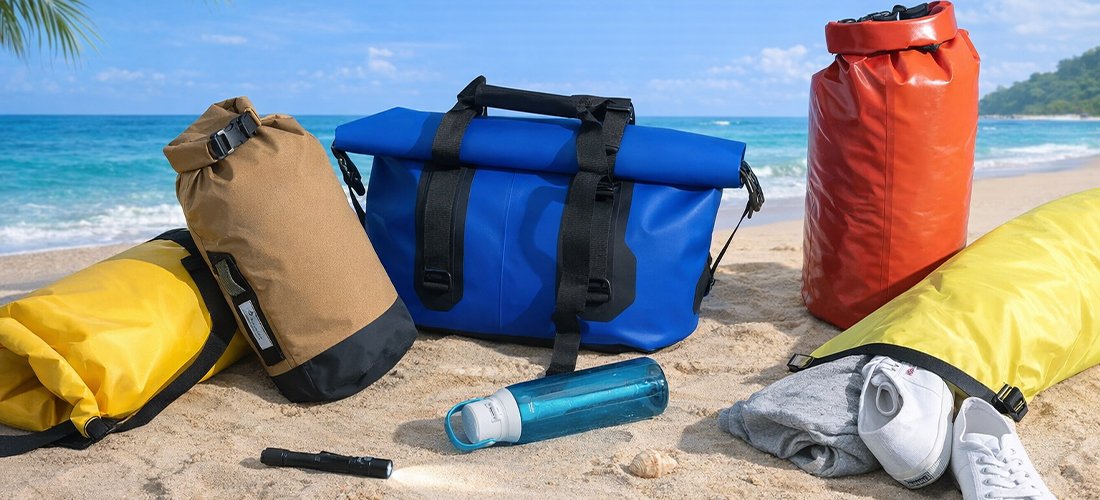
A dry bag provides 100% waterproof protection. It typically uses a roll-top closure to effectively expel air, providing excellent sealing. Even when completely submerged in water, it keeps the contents dry. Because of these characteristics, dry bags are ideal for water activities, like kayaking, waterside camping, and offshore operations.
What is a Waterproof Bag?
A waterproof bag is better described as a water-resistant bag. It’s primarily used to protect items inside from rain, splashes, and moisture in humid environments. However, it’s important to note that waterproof bags are not completely waterproof; if fully submerged, moisture will seep into the bag. They typically use flaps, zippers, or snaps for closure, offering flexibility and convenience, making them suitable for rainy commutes, outdoor hiking, and travel.
The Key Difference Between Dry Bag and Waterproof Bag
Besides the different definitions, dry bags and waterproof bags also differ in materials, design, and purpose. Understanding these key differences will help you make better choices when customizing bags.
Materials
The materials used have a big impact on durability and water resistance. Dry bags are mostly made of sturdy and durable materials, including nylon, PVC, TPU, and PVC tarpaulin. These materials are highly durable and built to handle rough outdoor use such as throwing and dropping, and can even be dragged on sand.
Waterproof bags are mostly made of waterproof fabrics, such as nylon or polyester with a waterproof coating, and some use PU-coated fabrics. These materials can block liquid splashes, but they are not completely waterproof and are not suitable for underwater use.
Below are the different characteristics of dry bag materials and waterproof bag materials, and their respective waterproof capabilities:
| Bag Types | Material | Characteristics | Waterproof Capacity |
| Dry Bag | Coated Nylon | Lightweight and soft, easy to fold and store | Water-repellent, not completely waterproof |
| PVC | Cost-effective, transparent and easy to clean | Completely waterproof | |
| TPU Film Fabric | Soft and environmentally friendly | Completely waterproof, can withstand high water pressure
| |
| PVC Tarpaulin | Heavy, scratch-resistant and wear-resistant | Completely waterproof | |
| Waterproof bag | Coated Nylon | Lightweight and soft, foldable
| Water-repellent |
| Coated Polyester | Durable and wrinkle-resistant, low cost | Basic waterproof capability | |
| TPU | Environmentally friendly, excellent waterproof performance | Completely waterproof
|
Manufacturing Process
Even with good waterproof fabric, without good manufacturing processes, the waterproof ability of a bag will be greatly reduced. The manufacturing process significantly impacts a bag’s waterproof performance, especially at seams and other areas prone to water seepage. Dry bags typically use welded seams, achieving excellent waterproofing and preventing water from seeping through the seams.
Waterproof bags usually use a combination of stitching and tape. While this provides some waterproofing, the tape may crack or peel off over time, leaving a risk of leakage. Therefore, it’s essential to carefully check the seams before leaving home.
Sealing Methods
Dry and waterproof bags also differ significantly in their sealing methods. Dry bags usually use a roll-top closure for a secure seal. Multiple upward folds effectively expel air, creating a sealed space. Even when fully submerged, water will not penetrate.
Waterproof bags typically use waterproof zippers, such as YKK zippers. These zippers offer some waterproofing, preventing some rainwater and splashes from entering the bag. However, in environments with heavy rain or other high water volumes, they may not keep your items completely dry. Additionally, it’s necessary to check the zippers for rust or damage, as even tiny gaps can allow water to seep into the bag.
IP Protection Rating
Many bag factories use professional equipment to test the waterproof capabilities of dry bags and waterproof bags. The results are usually expressed as IP ratings, such as IPX4, IPX5, and IPX6. Dry bags typically have an IP protection rating between IPX6 and IPX8, indicating that items inside will remain dry even under strong water pressure or after prolonged immersion in water.
Compared to dry bags, waterproof bags have lower IP protection ratings, usually only IPX4 or IPX5. They can withstand splashes from light to heavy rain, but cannot be completely submerged in water, therefore they are only suitable for everyday use.
We have compiled the following table for different IP protection levels. If your brand needs to order in bulk or customize dry bags or waterproof bags, you can refer to it:
| Protection Level | Test Method | Waterproofing Capability | Test Standard | Applicable Scenarios |
| IPX4 | Up to 10 minutes of multi-angle water spray test | No obvious water ingress | Water-repellent | Light rain or humid environment
|
| IPX5 | Approximately 3 minutes of multi-directional water gun spray test | no harmful ingress | Resistant to water jets | Heavy rain or outdoor sports |
| IPX6 | Multi-angle high-pressure water gun spray test | No water ingress under strong water flow | Resistant to strong sprays | Fishing, boating |
| IPX7 | Complete immersion in 1 meter of water for 30 minutes | No water ingress | Short-term immersion | Rafting, kayaking, surfing |
| IPX8 | Complete immersion in water deeper than 1 meter for more than 30 minutes | No water ingress for extended periods | Long-term immersion
| Diving or underwater operations |
User Experience
Except for TPU dry bags, most dry bags use thick fabrics. While these fabrics are more wear-resistant and durable, they are less soft. You may feel stiff at first and are less flexible to pack. You’ll also find it difficult to fold and store, so they don’t pack down as easily. However, with continued use, the stiff fabric gradually softens, and the feel improves.
Compared to dry bags, waterproof bags are designed for everyday use. They are soft, lightweight, and easy to fold and store in closets or other bags.
Uses
Water Sports/ Outdoor Adventures
In terms of overall performance, dry bags are more durable and have a higher waterproof rating, making them more suitable for water sports or outdoor adventures. Especially in water sports like surfing and kayaking, even if a dry bag is not secured and accidentally falls into the water, the items inside will remain dry and clean. Therefore, most adventure sports enthusiasts choose to use dry bags, which is why over 60% of our outdoor gear brand customers customize, purchase, and sell waterproof bags.
Dry bags are ideal for the following scenarios:
- Surfing, Rafting
- Kayaking
- Snorkeling
- Camping/Hiking/Cycling
- Wilderness Adventures
For water sports and challenging outdoor adventures, ordinary waterproof bags are prone to water ingress and lack durability, failing to adequately protect stored items. Dry bags offer more comprehensive protection, shielding gear from splashes, rain, and even immersion.
Commuting/ Traveling
Waterproof bags are lightweight, versatile, and offer a degree of water resistance, making them useful for commuting to school or work, or traveling. For example, on rainy days, you can place your lunch, office supplies, or even electronic devices in a waterproof bag, effectively preventing rainwater from entering and contaminating your belongings. Furthermore, travel enthusiasts often prefer lightweight waterproof bags, as they reduce carrying burdens, making travel more convenient and protecting items from sudden rain or snow.
Suitable usage scenarios for waterproof bags include:
- Commuting/cycling in the rain
- Short trips
- Beach vacations
- Business trips
Waterproof bags offer a wide variety of styles and fashionable designs. You can choose the appropriate style and size based on your brand positioning and target consumer group to meet different usage needs.
| Feature | Dry Bag | Waterproof Bag |
| Waterproof Level | 100% | Water-resistant |
| Matetial | PVC/ TPU/ Nylon/ Tarpaulin | Nylon/ Polyester/ TPU |
| Seam Technology | Welded seams | Tape sewing |
| Closure | Roll-top | Zipper/ Flap Closure |
| Best Use | Water Sports | Daily Use |
Now that you understand the main differences between dry bags and waterproof bags, the next step is choosing the right one for your brand and customers. Choose a dry bag if you need full waterproof protection. Choose a waterproof bag for everyday use. We’ll share practical tips to help you choose the right one in the next article.
Looking to develop a line of dry bags or waterproof bags to match your brand? Kewei offers tailored OEM and ODM solutions. Contact us for custom dry bag or custom waterproof bag solutions.
FAQ
What are the main differences between dry bags and waterproof bags?
The main difference is their waterproof capability. Dry bags can be completely submerged in water to protect equipment, while waterproof bags only protect against splashes and water droplets and cannot be completely submerged.
How to properly use waterproof bags to store electronic products?
Waterproof bags only prevent splashes of water. For better protection of electronic products, you can use an additional waterproof protective bag or storage bag before placing the electronic product inside the waterproof bag. Note that it is essential to seal the waterproof bag correctly to achieve the best waterproof effect. Alternatively, you can consider using double-layer waterproof bags or choosing a dry bag directly.
Will the waterproof performance of a waterproof bag decrease?
With increased use and frequency, the coating on the waterproof bag will wear down, leading to a decrease in its waterproof performance.
What is the correct way to seal a dry bag?
First, expel excess air from the dry bag, then roll it up from the top 3 to 4 times, and finally fasten the buckle. This will achieve the best sealing protection.
How to extend the lifespan of a waterproof bag?
The following points can effectively maintain the performance of the waterproof bag and extend its lifespan: Wipe the waterproof bag with clean water or a mild detergent immediately after use, avoiding the use of harsh detergents.
- Air dry in a cool, ventilated place, avoiding direct sunlight to prevent surface cracking.
- Do not fold and store for extended periods; keep it in its original shape in a dry, ventilated place.
- Avoid storing sharp objects or excessively heavy luggage to prevent punctures or deformation of the waterproof bag.
- Regularly inspect the surface of the waterproof bag, as well as zippers, seams, etc. Repair or replace it immediately if any damage, rust, or loose threads are found.