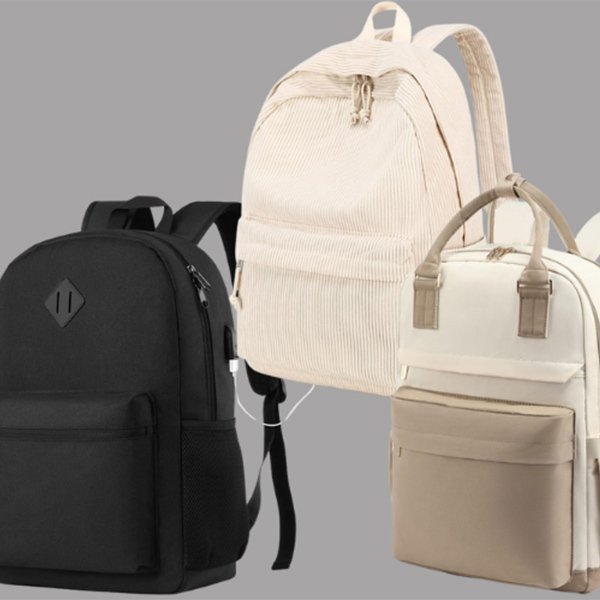
Gym bags are a popular sporting goods item, and a wide variety of styles have been developed with different fabrics and constructions. As a professional sport backpack manufacturer, Kewei understands the importance of fabric to a bag’s texture, durability, and style. Today, Kewei will discuss this topic in depth, helping you better understand the fabrics commonly used in gym bags. Understanding these fabrics can help you make informed decisions, especially for those looking to customize your gym bag.
Polyester Oxford Fabric
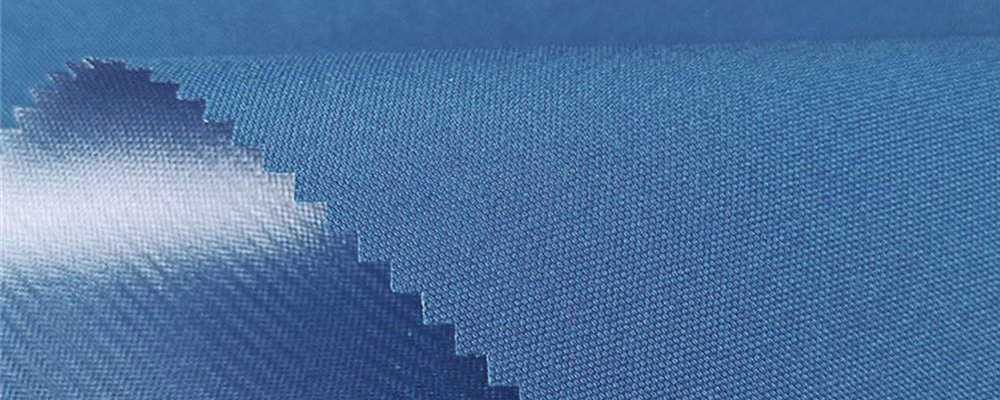
Polyester Oxford fabric is a commonly used fabric for gym bags. Currently, commercially inspected 300D, 420D, 600D, and 800D polyester Oxford fabrics are available. They offer a variety of advantages, including abrasion resistance, water resistance, lightweightness, and wrinkle resistance. Abrasion resistance effectively extends the life of a gym bag, while water resistance helps keep items dry during outdoor activities. Its lightness and wrinkle resistance make gym bags more suitable for frequent use, making them essential for those who carry them to the gym daily. Polyester Oxford fabric is relatively affordable, making it suitable for those seeking value for money.
However, polyester Oxford fabric also has some disadvantages. For example, its waterproofing is generally based on a surface coating, which can lead to cracking after prolonged use, resulting in a decrease in waterproofing and a shorter lifespan. Furthermore, polyester Oxford fabric is relatively stiff and lacks a soft feel.
Nylon Oxford Fabric
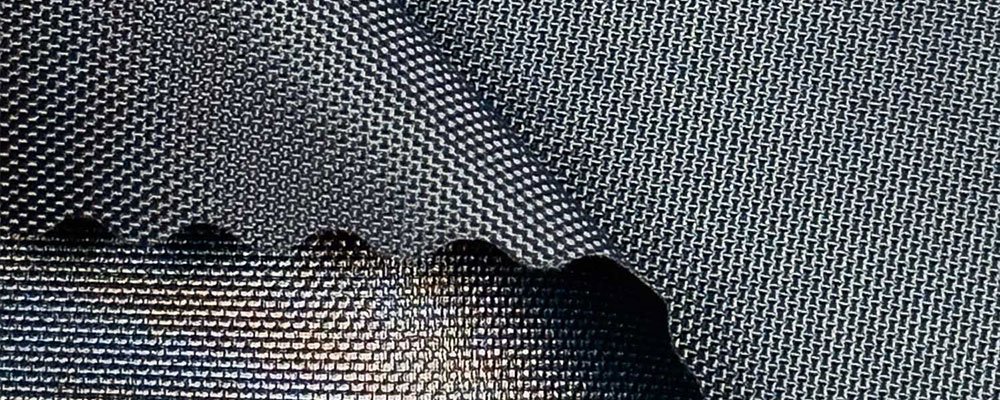
Compared to polyester Oxford fabric, nylon Oxford fabric offers superior performance in a variety of areas, including abrasion resistance, water resistance, flexibility, and lightweight. Therefore, it can effectively enhance the lifespan, feel, and waterproofing of a gym bag. However, nylon Oxford fabric is more expensive than polyester Oxford fabric and is primarily used in mid-range and high-end gym bags. Common nylon Oxford fabric specifications currently available include 210D, 420D, 840D, 1680D, 500D brushed nylon, and 1000D. The higher the D value, the thicker and more durable the fabric.
Nylon Oxford fabric also has some drawbacks, such as fading easily with prolonged exposure to the sun, increased weight after absorbing water, and the PU waterproof coating is easily scratched and wrinkled, which may affect the aesthetics of a gym bag.
Neoprene
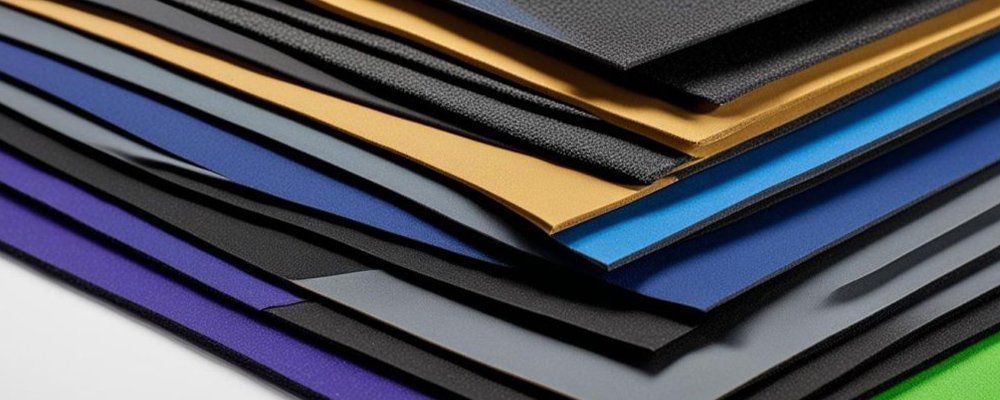
Neoprene is a synthetic rubber with a foam-like structure and a microporous structure. It offers excellent elasticity and softness, making gym bags made of neoprene effectively reduce the risk of damage to items inside the bag from accidental impacts. Neoprene is inherently water-resistant, which effectively improves the bag’s moisture-wicking properties, protecting items from liquid spills and sweat, and effectively reducing odors. Compared to polyester and nylon Oxford fabrics, gym bags made of neoprene are softer and more comfortable to carry.
However, neoprene is more expensive, and because its sewing and bonding require higher production line standards and experienced workers, production costs are higher. Furthermore, gym bags made of neoprene cannot carry heavy items, as they can lose their shape.
Canvas
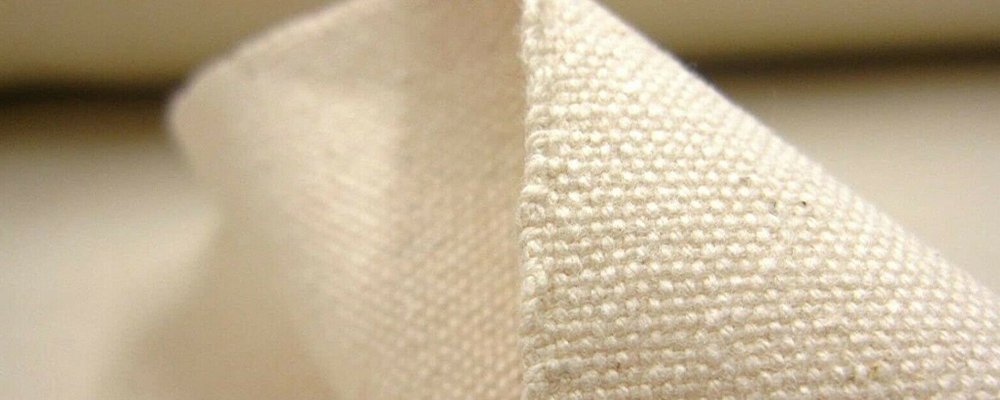
Canvas is also a common fabric for gym bags. Its high fiber density makes it more resistant to friction and tearing, making it suitable for frequent use. Furthermore, canvas is inherently breathable, allowing sweaty clothes to dry easily. It also resists odor and mildew, enhancing the hygiene of gym bags. Furthermore, canvas’s inherent texture lends it a more retro and casual aesthetic. It’s also easy to color and print, allowing for customization with logos and patterns, effectively enhancing the bag’s stylish appeal.
Canvas is typically made from natural fibers like cotton and is simple to craft, making it a relatively inexpensive and cost-effective option. Available canvas options include 6 ounce, 8 ounce, 10 ounce, 12 ounce, 14 ounce, and 16 ounce varieties. The higher the ounce weight, the higher the density and thickness, resulting in greater durability.
Leather
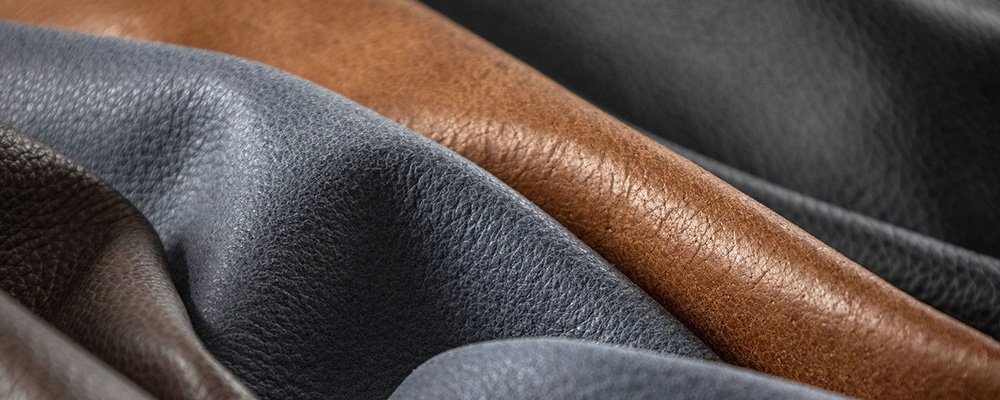
As a high-end, premium fabric, leather can effectively enhance the overall feel of a gym bag. With time, leather naturally softens and develops a unique texture, adding a unique touch to a gym bag. It’s also extremely durable and withstands the wear and tear of daily use. Its water-resistant properties also effectively protect the contents of a bag.
However, leather can be expensive, especially genuine leather. The choice between genuine leather and faux leather depends on customer needs.
PVC
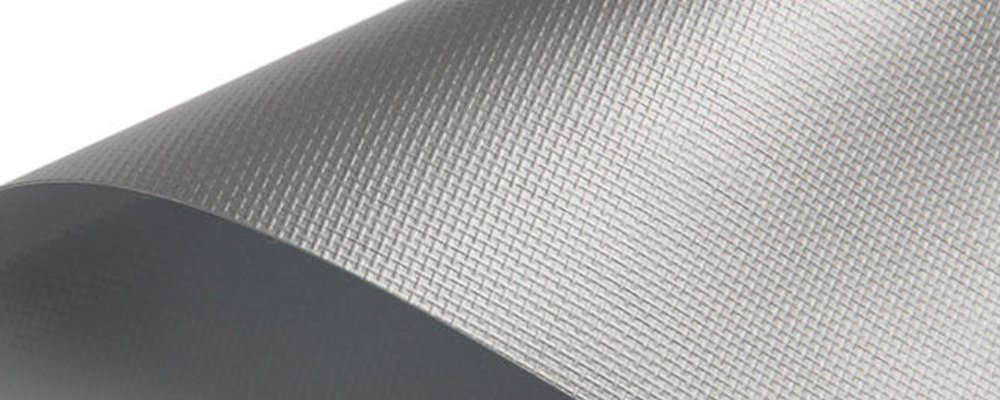
As a plastic material, PVC offers excellent water-resistant properties, keeping the contents of a bag dry. Furthermore, the smooth surface of PVC fabric makes it stain-resistant and easy to clean and maintain, making it ideal for busy gym goers, reducing the need for frequent washing. PVC is also stiff and scratch-resistant, resisting wear and tear even with frequent use.
While ensuring the practicality, durability, and aesthetics of a gym bag, PVC is also relatively affordable, making it a popular choice among many customers.
Down Fabric
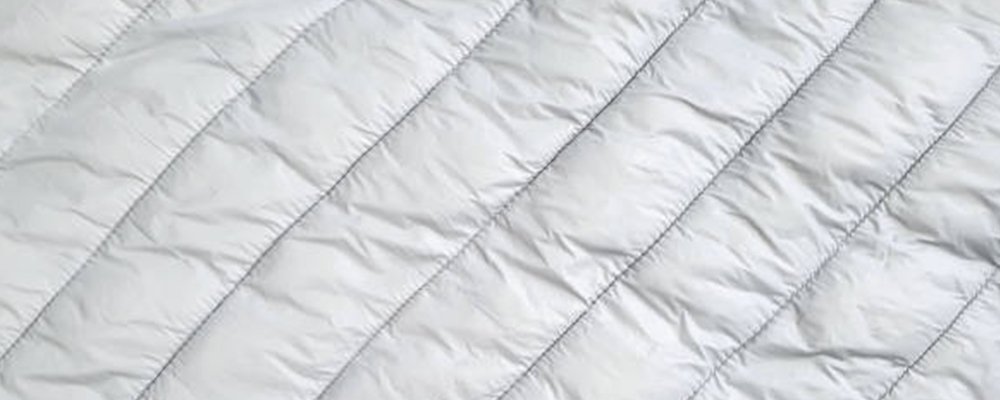
Gym bags made of down fabric offer a stylish look, making them popular with many young people. Down’s fluffy and lightweight properties not only make gym bags lightweight and easy to carry, but also provide enhanced protection, protecting items from bumps and scratches. Furthermore, the treated down fabric is also water-resistant, helping to keep items dry.
Gym bags made of down fabric are also relatively expensive and positioned in the mid- to high-end market, making them ideal for those who prioritize both aesthetics and performance.
Mesh Fabric
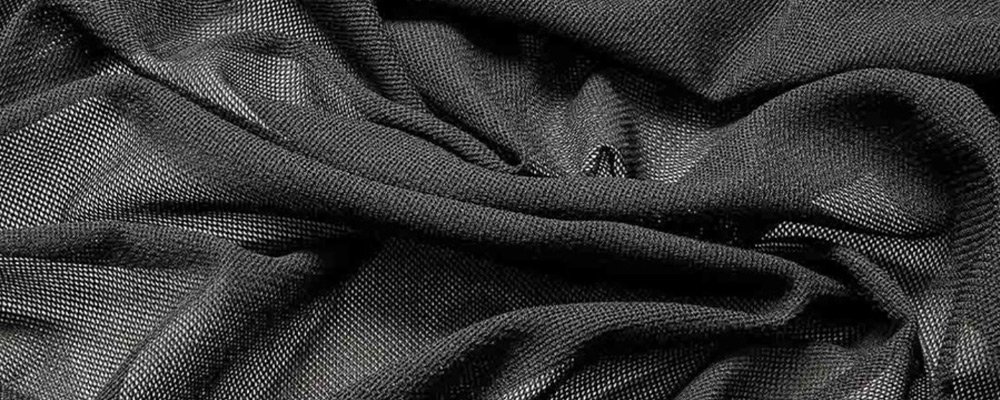
Mesh fabric offers excellent breathability, quickly dissipating odors and moisture, making it ideal for storing post-workout clothing, towels, and shoes. The transparent design allows for easy identification of items, making them easy to find and access. Mesh fabric is also very lightweight, making it easy to carry.
Mesh fabric is affordable, making it an ideal choice for those seeking value. However, it’s important to note that mesh fabric has limited load-bearing capacity and may be susceptible to snagging. However, for everyday use, mesh gym bags are more than adequate.
Comparison of Gym Bag Materials
We will compare some commonly used gym bag fabrics mentioned above, through the durability, weight, waterproofness, breathability, and style. We believe that will give you a more comprehensive understanding of these fabrics.
Durability
Durability determines the lifespan of a gym bag, and durability is related to the bag’s material. Nylon and polyester gym bags are highly abrasion-resistant. It means they can withstand rough handling, such as dragging and pulling in daily life. Canvas gym bags are very sturdy and perform well in terms of load-bearing capacity. So they are ideal for carrying heavier gym items. Leather gym bags are also relatively durable, and with proper care and maintenance, their lifespan is quite long. Compared to the above materials, PVC and neoprene gym bags are less durable, but still sufficient for daily use. Mesh fabric is more easily torn and scratched, and has poor durability; keep it away from sharp objects as much as possible.
Weight
Besides determining durability, the material also affects the weight of a gym bag. Nylon and polyester are favored for their lightweight and durable properties, making nylon and polyester gym bags easy to carry. Mesh and down fabrics are also lightweight and popular choices for gym bags. Neoprene and PVC gym bags have a moderate weight, but can be heavy if their size is large. Leather bags are the heaviest, potentially exceeding 12 ounces per square meter.
Waterproof
Gym bags may need to store sweaty towels and clothes, so waterproofing greatly improves convenience and user experience. Different materials offer varying degrees of waterproofing. Nylon, polyester, and down fabrics are often specially treated, such as with a waterproof coating, to achieve this. Neoprene and PVC offer excellent waterproofing, making them ideal for storing wet items. Leather gym bags also offer some water resistance, allowing for short-term storage of wet items. Canvas itself is not waterproof and absorbs water, so most bag manufacturers choose specially treated canvas to prevent water absorption.
Breathability
Highly breathable gym bags not only effectively reduce odors, but also help keep the inside dry. Mesh and canvas materials offer excellent breathability. They can effectively prevent odor buildup and are more comfortable to use. Nylon, polyester, and down fabrics have limited breathability; after storing wet items, they need to be cleaned and opened for ventilation promptly to avoid odors. Neoprene, PVC, and leather materials have sealing properties but are not breathable, easily causing odors when storing sweaty clothing.
Style
Different materials can create different styles of gym bags. Nylon and polyester materials support customization with different colors and patterns, making them quite versatile. Mesh gym bags have a more sporty look; canvas gym bags give a more casual and eco-friendly feel; neoprene, PVC, and down gym bags appear more modern and stylish; leather gym bags look more refined and classic.
The above are some common fabrics used for gym bags. You can choose the fabric that best meets your needs when customizing your gym bag. At Kewei, satisfying customer needs and ensuring product quality are our unwavering goals. If you require a custom gym bag, please let us know your ideas and detailed requirements. Kewei will be happy to provide you with a cost-effective, customized gym bag solution.
FAQ
F: How to clean a gym bag?
A: To ensure the durability of your gym bag, you need to care for it according to its material.
- Nylon, polyester, and down-filled gym bags are very easy to clean; simply wipe them with a damp cloth.
- Canvas and mesh gym bags require a mild detergent for gentle washing, followed by air drying in a well-ventilated area.
- To avoid odors, neoprene and PVC gym bags should be wiped clean and air-dried after each use.
- Leather gym bags require a soft cloth and a specialized leather conditioner for gentle wiping.
F: How to prevent odors from developing inside the gym bag?
A: For well-sealed gym bags, you can place a small packet of baking soda inside; it effectively absorbs odors. After use, empty the bag and wipe or wash it, then air-dry it in a well-ventilated area.
F: What are the different types of gym bags?
A: Due to their versatility and suitability for various scenarios, gym bags are very popular in daily life. To meet everyone’s needs, the types of gym bags have become increasingly diverse, including gym travel bags, gym backpacks, gym tote bags, gym crossbody bags, multi-functional gym bags and so on.