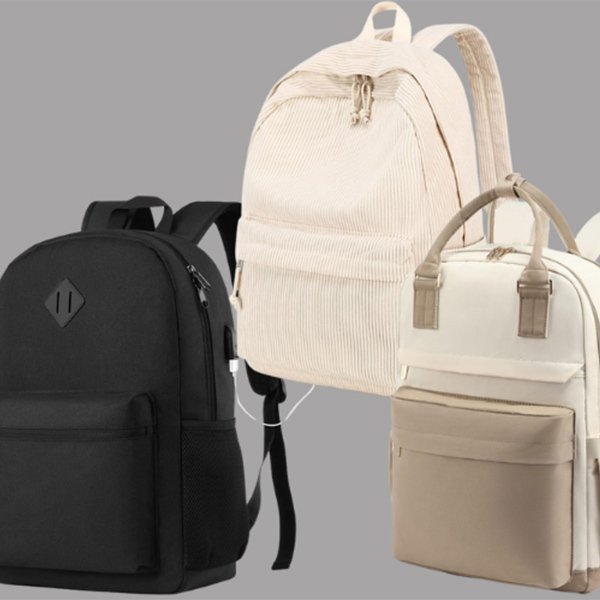
Over time, daily use of backpack will inevitably pick up stains such as sweat, dust, and oil. Daily use backpacks, like mountaineering, hiking, and student daily use backpacks are particularly susceptible to stains because they are exposed to more complex environments.
Cleaning your daily-use backpack is essential to keep it pristine and comfortable, but do you know when to clean it and how to do it properly? Don’t worry, Kewei provides a detailed guide to daily use backpack cleaning that you can follow.
The Importance of Daily Use of Backpack Cleaning
The importance of cleaning a daily-use backpack is self-evident. On the one hand, a clean daily use backpack makes the user appear clean and creates a positive impression. On the other hand, while daily-use backpacks aren’t worn next to the skin like clothing, they can still pick up dirt and bacteria over time, creating odors that can affect your health. Therefore, regular daily use of backpack cleaning is essential.
When Should You Clean The Daily Use Backpack?
There’s no set cleaning schedule for your daily use backpack; it’s up to you. If you find stains on your daily use backpack unbearable, you can wash it, regardless of whether it’s been cleaned for a single day or several days. You can also set a specific timeframe for cleaning. For example, office workers and students might choose to wash it on Friday after work or school. This way, after airing it over the weekend, you can ensure it’s ready for use the following Monday.
How to Choose a Cleaning Method?
Cleaning methods can be machine washed or hand washed. The choice depends on the price, material, and design of the daily use backpack. Generally, more expensive daily use backpacks are more suitable for hand washing or even dry cleaning. To determine machine washability, check the care label, which will display these icons.
If there’s no care label, you can determine the material, construction, and style of the daily use backpack. daily use backpacks made of materials like nylon, polyester, and canvas are machine washable. However, daily use backpacks with protective coatings, support frames, or decorative parts should not be machine washed to avoid damaging the coating and construction, or causing the decorative elements to fall off and affect the bag’s aesthetics.
daily use backpacks made of nylon, polyester, and canvas can be machine-washed as well as hand-washed. However, daily use backpacks made of leather, suede, or vegetable-tanned leather are not suitable for machine washing. They are best hand-washed or left unwashed, requiring only spot cleaning.
Tools Needed for Cleaning
Before you begin cleaning your daily use backpack, you’ll need the appropriate tools, especially for hand-washing. Good cleaning tools can speed up the cleaning process. Generally, you’ll need a soft-bristled brush, neutral detergent, a microfiber cloth or sponge, baking soda, and a waterproofing spray.
Specific Cleaning Steps
Whether machine washing or hand washing, Kewei has provided detailed, step-by-step instructions that we hope will be helpful:
Specific Steps for Machine Washing a daily use backpack
Machine washing is less labor-intensive and requires fewer steps than hand washing. The steps are as follows:
- Step 1: Remove accessories and pendants, as well as detachable pockets and straps. Open all compartments and clean out the contents. Shake the daily use backpack upside down to check for any missing items and to remove any dust stuck to the bag.
- Step 2: Check the daily use backpack for any heavy dirt. If so, pre-wash it with detergent and a soft-bristle brush, leaving it for approximately 30 minutes.
- Step 3: After washing, place the daily use backpack in a protective bag before washing. This prevents damage to the zippers and other accessories from excessive agitation, and also prevents damage to the washing machine’s interior.
- Step 4: Add an appropriate amount of detergent and set the washing machine to the gentle cycle to prevent the daily use backpack from unraveling.
- Step 5: After cleaning, tidy up the daily use backpack. It’s best to restore it to its original shape before hanging it upside down to dry. Drying it out of direct sunlight will better protect the daily use backpack.
Specific Steps for Hand-washing Daily Use Backpack
Compared to machine washing, hand washing provides a more thorough cleaning experience, allowing you to more thoroughly target stains while also protecting your daily use backpack. The specific steps for hand washing are as follows:
- Step 1: Similar to machine washing, remove the daily use backpack’s charms and removable pockets, then pack all compartments and empty them.
- Step 2: Before washing, you can also turn the daily use backpack upside down to shake out any dust, either by wiping it with a damp towel or vacuuming it.
- Step 3: Check for any significant stains. Pour detergent over the daily use backpack and scrub it thoroughly with a brush, then let it sit for 30 minutes.
- Step 4: Prepare a large basin, preferably large enough to completely accommodate the daily use backpack you want to clean. Fill the basin with warm water and an appropriate amount of detergent, then place the daily use backpack inside.
- Step 5: Use a soft-bristled brush to scrub both the inside and outside of the daily use backpack, paying particular attention to the shoulder straps, waistband, and back.
- Step Step 6: After brushing the daily use backpack clean, rinse it 2-3 times with clean water, rinsing off any foam and excess detergent. Use a dry towel to absorb some of the moisture.
- Step 7: After cleaning, hang the daily use backpack upside down in a well-ventilated area to dry, avoiding direct sunlight as much as possible.
How to Clean Custom Backpacks Made of Different Materials
Custom backpacks are made from a variety of materials, such as nylon, polyester, canvas, and leather. Different materials have different cleaning methods. Using the correct cleaning methods not only achieves the best cleaning results but also protects the backpack’s structure from damage, maintains its performance, and extends its lifespan. Here are the cleaning methods and procedures for backpacks made of different materials:
Nylon Backpacks
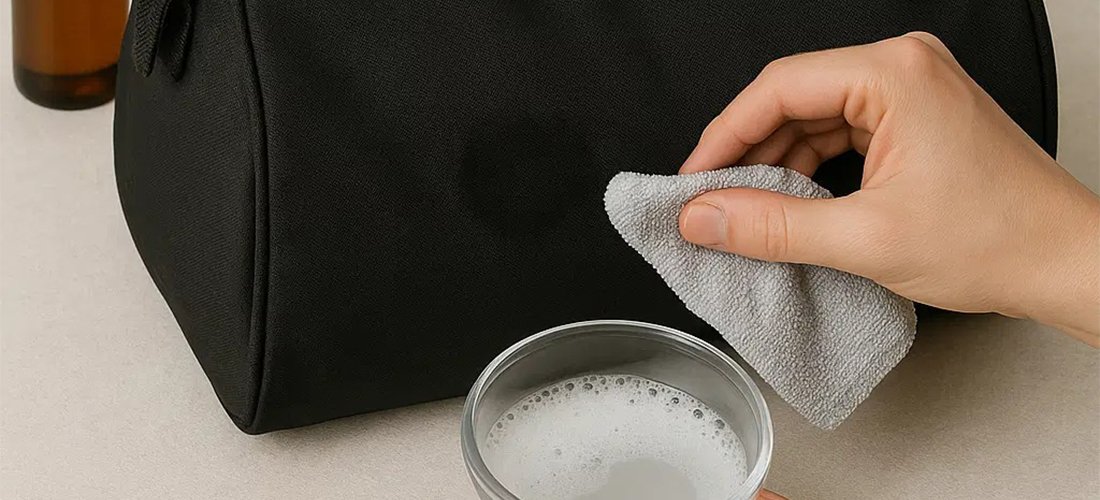
Nylon is easy to clean, especially in warm water. To clean a nylon backpack, simply remove all compartments and place it in warm water with a mild detergent. Small stains will easily dissolve in the detergent solution. Note that you should never use strong or harsh detergents, as this may damage the nylon’s waterproof properties.
If there are stubborn stains on the nylon backpack, gently scrub the surface with a soft brush. Avoid vigorous scrubbing to prevent damage to the fabric and structure. After cleaning, rinse off the detergent with clean water and hang the backpack upside down in a well-ventilated place away from direct sunlight to air dry.
Polyester Backpacks
Like nylon backpacks, polyester is very sensitive to high temperatures. The water temperature for washing polyester backpacks should ideally not exceed 30 degrees Celsius. Use a mild detergent and a soft-bristled brush to remove any obvious and stubborn stains. Then, completely immerse the backpack in warm water mixed with a mild detergent, gently agitating it to speed up the dissolution of dirt.
After rinsing thoroughly with clean water, hang it upside down in a well-ventilated area to air dry.
Canvas Backpacks
Canvas backpacks are known for their durability and vintage look, but they often feature printed patterns or decorative elements, requiring extra care when cleaning. First, check the care label printed on the bag to confirm whether the patterns are washable.
Empty the canvas backpack of all items and remove all accessories. Find a clean white cloth, dampen it, wring it out, and gently wipe the inside and outside of the bag. This step effectively removes dust and debris.
Once you’ve determined the print is washable, immerse the entire canvas backpack in warm water mixed with detergent. Gently brush visible or stubborn stains on the backpack with a soft-bristled brush. If the stain is difficult to remove, apply a few drops of dish soap or rub with soap before scrubbing or brushing.
After removing the stain, rinse thoroughly with clean water and let it air dry in a well-ventilated area. When cleaning canvas backpacks, avoid using strong bleach or other detergents, and do not scrub vigorously.
Leather Backpacks
Leather backpacks require special care; improper cleaning can easily lead to dryness or cracking. Generally, leather backpacks only need to be gently wiped with a soft, damp cloth to remove dust and dirt. If you don’t want to damage the leather surface, you can use a microfiber cloth.
For deep cleaning, use a leather-specific cleaning solution. Apply the cleaning solution to a soft, clean cloth and rub the leather in circular motions. Finally, wipe away any remaining cleaning solution with a damp cloth rinsed with clean water.
When drying, place the leather backpack in a cool, well-ventilated area to air dry naturally, avoiding direct sunlight.
Finally, Kewei would like to remind you to always check the care label before cleaning your daily use backpack. This will help you better determine the appropriate cleaning method. Following the steps above will minimize damage to the daily use backpack while ensuring a clean finish. Save this article and give it a try.