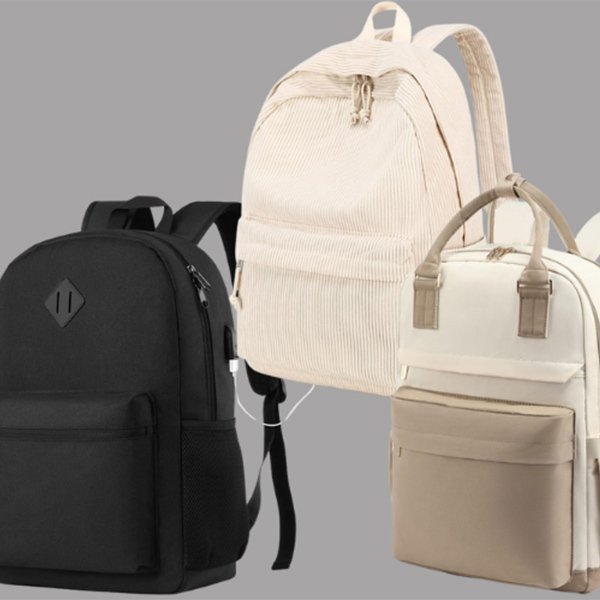
Whether it’s a backpack or a single shoulder backpack, shoulder straps are one of the most important components. Because the backpack should straps can significantly impact the comfort and practicality of carrying the backpack. In the Kewei blog post, we’ll detail different backpack shoulder strap styles, common materials, and which backpack shoulder straps are best suited for different backpacks. Understanding these aspects of backpack shoulder straps will help you choose the right straps to match your backpack’s style during the customization process.

What Styles of Backpack Shoulder Straps Are Available?
Backpack shoulder straps have various styles, each with its own advantages and characteristics. Let’s take a look:
Straight Shoulder Straps
Fashion backpacks, business backpacks, and student backpacks often use straight shoulder straps. They feature a straight, symmetrical design, and manufacturers often incorporate adjustable ergonomics to allow users to adjust them to a comfortable position. It’s important to note that straight shoulder straps prioritize aesthetics over load-bearing capacity and comfort. Therefore, avoid choosing straight shoulder straps when customizing heavy-duty outdoor backpacks (such as mountaineering backpacks, hiking backpacks, and adventure backpacks).

Curved Shoulder Straps
Compared to straight shoulder straps, curved shoulder straps are designed to better conform to the body’s curves and provide greater comfort. They often use advanced and durable materials and padding, such as dual-density foam, EVA foam padding, and breathable mesh lining. These materials ensure comfort while maintaining excellent breathability, keeping the body cool and dry even during extended carrying. The comfort and ergonomic design make curved shoulder straps an ideal choice for most travel backpacks, outdoor backpacks, and laptop backpacks.

One-Piece Shoulder Straps
One-piece shoulder straps are made from a single piece of material and connected to the backpack via a “bridge” at the top. This design gives the backpack a cleaner look, and the reduced number of seams effectively reduces wear and tear, extending its lifespan. The one-piece construction also allows the backpack to fit the shoulders and upper back more naturally. The minimalist design and lightweight advantages make one-piece shoulder straps commonly used in lightweight backpacks, commuter backpacks, and casual backpacks.

What Materials are Common Used in Backpack Shoulder Straps?
Backpack shoulder straps can be made from various materials, including nylon, polyester, mesh, and neoprene, each with different properties.
- Nylon: Nylon is durable, abrasion-resistant, and lightweight. Nylon shoulder straps are strong enough to withstand a certain weight. Most nylon shoulder straps are also designed to be adjustable, allowing users to customize them to their needs.
- Polyester: Polyester is durable, tensile-resistant, and easy to clean. Polyester shoulder straps can withstand everyday wear and tear and are suitable for various backpack styles.
- Mesh: Mesh shoulder straps offer excellent breathability and are often padded, providing a comfortable carrying experience. They are also lightweight, reducing pressure and further enhancing comfort.
- Neoprene: Neoprene shoulder straps offer good cushioning, effectively distributing the backpack’s weight evenly across the shoulders, improving carrying comfort. Furthermore, neoprene shoulder straps offer better moisture resistance, making them ideal for outdoor sports backpacks and waterproof backpacks.
- Leather: Leather is a popular choice for high-end backpack shoulder straps due to its premium feel and durability. If the users properly care it, the leather shoulder straps can even develop a unique texture and feel over time.
When customizing backpack shoulder straps, in addition to the materials used for the straps themselves, the padding material is also crucial. Padding often uses foam or gel materials to cushion the weight of the backpack, effectively reducing shoulder pressure and improving comfort.
What Characteristics Should a Good Backpack Shoulder Straps Have?
Backpack shoulder straps directly impact the carrying experience, so choosing high-quality straps is essential when customizing backpack shoulder straps. What characteristics should a good shoulder straps possess?
- Comfort: Comfort is a key consideration when choosing backpack shoulder straps. A comfortable backpack shoulder strap should be ergonomically designed with thick padding to distribute pressure evenly across the shoulders and back, reducing strain. Additionally, adjustable backpack shoulder straps allow for easy adjustment to fit different body types, resulting in a better fit for the back and improved stability and comfort.
- Durability: Choosing durable backpack shoulder straps can better withstand daily wear and tear and bear a certain weight. Therefore, select shoulder straps made of durable materials and reinforced with stitching to ensure they are less prone to damage or breakage, providing greater peace of mind.
- Breathability: Good shoulder straps should also be breathable, especially for hiking backpack, trekking backpack, and trail running backpacks. Breathability reduces discomfort caused by excessive sweating, improving comfort and coolness. Therefore, choose shoulder straps made of breathable materials or with mesh panels to facilitate airflow and enhance the carrying experience.
- Adjustability: Adjustability is an another important aspect of ergonomic design. It allows users to easily adjust the length of the shoulder straps to fit their body shape better. This not only improves backpack stability but also prevents strain and discomfort caused by straps that are too long or too short.
- Additional Features: Besides the points mentioned above, a good backpack shoulder strap will also be designed with additional features, such as integrated pockets on the straps. These can hold portable items like keys, energy bars, and mobile phones, improving convenience and efficiency. Quick-release buckles allow for easy unhooking of the backpack or quick conversion to other carrying methods, increasing the backpack’s flexibility.

How Do Manufacturers Improve Backpack Shoulder Strap Comfort?
Manufacturers adopt various design techniques to improve the comfort of carrying the straps, such as shape cutting, adding padding, and widening and thickening.
Shape Cutting
Manufacturers cut the shoulder straps into ergonomic shapes that conform to the natural curves of the body. It can enhance carrying comfort and reduces discomfort caused by ill-fitting or poorly contoured straps.
Adding Padding
Thick padding on the shoulder straps evenly distributes weight and reduces shoulder pressure. It also provides cushioning and support, alleviating discomfort when carrying heavy loads for extended periods.
Widened Shoulder Straps
Wide backpack shoulder straps distribute weight better than narrow backpack shoulder straps, reducing shoulder pressure. Therefore, most manufacturers measure and offer a suitable range of backpack shoulder strap widths to avoid discomfort from overly narrow straps or restriction of arm flexibility from overly wide straps, striking a balance between comfort and practicality.
Thickened Shoulder Straps
Thicker shoulder straps alleviate shoulder pressure and discomfort. Compared to thinner straps, they provide better cushioning, reducing discomfort even during extended carrying.

Which Shoulder Straps Suit Different Backpacks?
Different backpacks typically come with matching shoulder straps. Below, kewei lists some common backpack shoulder strap types:
- Laptop Backpacks: Laptop backpacks usually carry electronic devices, thus requiring some cushioning. In addition to padded laptop compartment pockets, thickened backpack shoulder straps can provide some protection. Therefore, laptop backpacks often use adjustable, thickened shoulder straps to protect electronic devices while improving the carrying experience.
- Single-shoulder travel bags: Single-shoulder crossbody travel bags typically feature wide, padded shoulder straps to evenly distribute the weight and prevent excessive pressure on one shoulder.
- Hiking backpacks: Hiking backpacks usually use adjustable, wide, padded shoulder straps to adjust tightness and distribute pressure, improving comfort during long hikes.
- Children’s backpacks: To improve comfort for children and reduce shoulder pressure, preventing poor posture, children’s backpacks often feature adjustable and padded designs to effectively distribute weight.
- Daily backpacks: Daily backpacks are generally used for everyday activities and do not carry large or heavy items, so breathable and lightweight shoulder straps are chosen.
This concludes our detailed introduction to backpack shoulder straps. We believe that with this information, you can choose the right backpack shoulder straps when customizing your backpack. If you still have questions, please contact Kewei. Our professional team will create a suitable backpack and shoulder strap solution based on your specific needs.