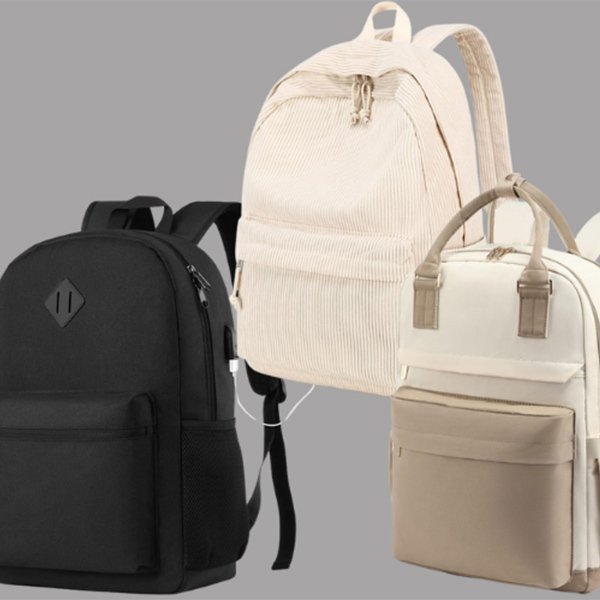
Whether moving or traveling, packing can be a daunting task. Everyone wants to fit as many things as possible into a single bag and still look organized. To address this need, two types of packing products have emerged: packing bags and compression bags. In this article, Kewei will explain the differences between these two products in seven key areas to help you quickly understand and choose the bag that’s right for you.
Defining the Difference
Packing bags are typically made of fabric and are often rectangular or cubic in shape, resembling a small suitcase. They typically open on three sides and have handles on both sides. They come in a variety of sizes for easy storage and organization.
Unlike packing bags, compression bags are typically made of plastic, are very light and thin, and are similar in shape to regular plastic bags with a single opening and no handles. Some compression bags require a vacuum pump to minimize the volume of large items, such as quilts and sweaters, making them easier to carry and pack.

Differences in Application Scenarios
While both packing bags and compression bags are excellent for packing luggage, they differ in their specific uses.
Packing bags, because they can be opened on three sides to reveal the internal storage structure, make it easy to find items at any time, prevent wrinkles, and prevent small items from getting lost. They are often used to store everyday clothing, such as T-shirts, underwear, and socks. When traveling or on business trips, small packing bags can also hold toiletries, electronics, and data cables, keeping luggage organized and easier to find.
Compression bags, unlike packing bags, are not designed for instant use or to maintain the shape of clothing. Their primary function is to save space. Therefore, they are often used to store out-of-season clothing, as well as larger, bulky items, such as down jackets, quilts, and blankets.
Thus, packing bags are more suitable for daily use, while compression bags are more suitable for long-term storage and moving.
Material Differences
Packing bags are often made of materials such as polyester, non-woven fabrics, and cotton and linen. These materials offer excellent breath ability, reducing odors that may develop during storage. Materials like polyester and cotton and linen also have a certain degree of shape retention. The addition of steel wire provides a certain amount of support, preventing folded clothing from being overly compressed and wrinkled.
Compression bags, on the other hand, are often made of high-strength PA (nylon) and PE films. These materials exhibit a certain degree of elasticity, allowing for some shape changes. For example, a quilt may expand when stored, but will compress when air is removed. Compression bags made of these materials also offer a certain degree of sealing and waterproofing, effectively preserving clothing. However, it’s important to note that compression bags are more prone to wrinkling than storage bags. Therefore, use them for things like quilts, blankets, and sweaters, and avoid using them for everyday clothing.
Usage Differences
Packing bags are like small suitcases. Place folded clothing flat or rolled inside, then zip them up and store them where you want. If you prefer more organized storage, you can purchase and label packing bags in various sizes. For example, small packing bags can be used specifically for socks and underwear, medium-sized packing bags for everyday clothing, and larger packing bags for out-of-season thicker coats.

Compression bags don’t offer the same organizational and storage capabilities as organizers, but they can help you organize your luggage into categories. Simply place your organized luggage into the compression bag, tighten the seal, and then use a vacuum pump to decompress it. It’s important to consider the compression bag’s size when filling it to avoid items like blankets that are too bulky to fit, resulting in waste.

Storage Capacity Differences
Because compression bags are compressed, they pack more compactly. Therefore, compression bags offer greater storage capacity than packng bags of the same size. If you need to store larger items like winter blankets, packing bags are a good choice.
Price Differences
Since packing bags are often made of materials like polyester, non-woven fabric, cotton, and linen, and some even come with wire supports, their cost is higher than compression bags made solely of plastic and sealing strips.
The above are seven key differences packing bags and compression bags: definition, application scenarios, materials, usage methods, storage capacity, and price. Each has its own advantages and disadvantages, and the specific use depends on your needs.
There are various types of packing bags and compression bags on the market today, and most have enhanced functionality. For example, vacuum packing bags address the storage capacity issue, while compression bags that don’t require a vacuum pump are more suitable for travel needs, as they eliminate the need to carry a vacuum pump and reduce the weight of your luggage. Compare and choose the packing bag that best meets your needs.