In our previous article, Kewei introduced seven key differences between packing bags and compression bags to help you better understand these two products. Today, Kewei will systematically explain the advantages and disadvantages of packing bags and compression bags. This guide will be more concise and easier to understand, helping you quickly decide.
What are Packing Bags?
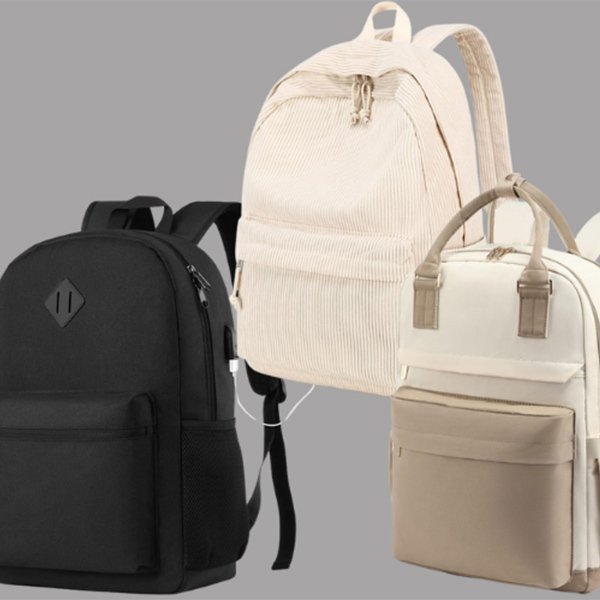
Packing bags function somewhat like mini suitcases. They are typically rectangular, made of sturdy fabric, and usually have zippers. Packing bags are generally sold in sets of different sizes. New bags are folded flat; simply unfold and prop them up when needed.
Packing bags are versatile. They are not only useful for home organization but also ideal for storing changes of clothes in your suitcase when traveling or on business trips. Just choose the correct size.
Advantages and Disadvantages of Packing Bags
Packing bags are widely used in our daily lives, primarily due to the following advantages.

Advantages of Packing Bags
Convenient Organization
As the name suggests, packing bags facilitate storage and organization. You can choose different sizes for different clothing types, making them easier to sort and find.
Easy to Use
Packing bags open like suitcases, allowing you to place folded or rolled clothes directly inside. This makes it easier to find them later, reducing the time spent searching and fumbling.
Clean and Tidy
Packing bags prioritize compartmentalization, making it easier to find folded and stored clothing, eliminating the need to fumble around and mess up organized items. Furthermore, three-dimensional storage bags can be stacked together, creating a neater and cleaner look, whether in a closet or suitcase.
Reduces wrinkles
Whether folded or rolled, packing bags prevent clothing from shifting or becoming overly crowded, which reduces the risk of wrinkles.
Multi-functional
In addition to clothing, packing bags can also store toiletries, electronics, cosmetics, and data cables.
Disadvantages of Packing Bags
While packing bags offer many advantages, they do have some drawbacks that you should be aware of to better understand the product and make a quicker judgment.
Limited Storage Space
Packing bags lack the ability to compress, so they can only hold a fixed amount of storage space. They are not suitable for bulky items like sweaters.
Not Moisture-proof and Insect-proof
Most packing bags are made of materials like polyester, non-woven fabrics, cotton, and linen. While breathable, they lack sealing and can become susceptible to moisture and insect bites. Therefore, consider placing moisture-proof bags and insect repellent pellets during use.
Added Weight
Packing bags are inherently heavy, and adding a wire frame can add to the weight of your packing.
Higher Cost
The raw materials and craftsmanship required to make packing bags are more expensive than compression bags, resulting in a higher price.
What are Compression Bags?
Compression bags are primarily used to compress and store bulky items such as clothing and blankets, thus saving space.
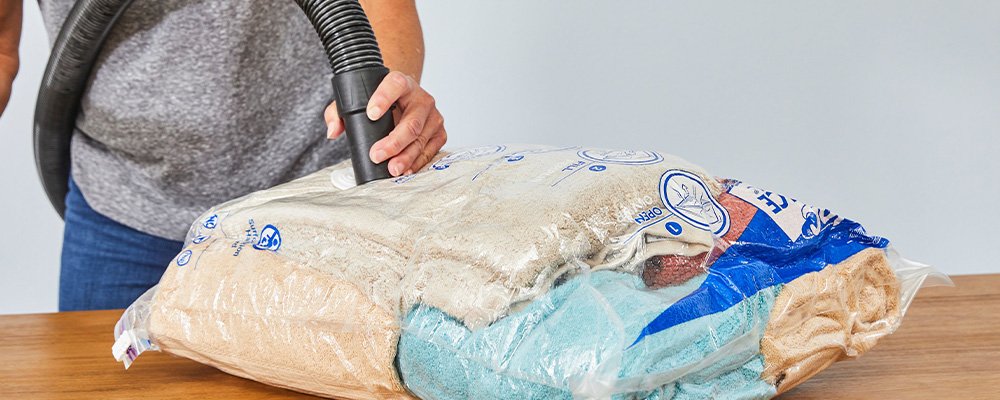
Compression bags on the market can be divided into two styles. Household compression bags are larger and mostly use a vacuum compression design. They require a special air pump to operate. Travel compression bags, on the other hand, achieve compression by pulling the external straps, making them more convenient to use.
Unlike storage bags, because compression requires air extraction, clothing inside compression bags is more prone to wrinkling. Therefore, compression bags are mostly used for storing thicker winter clothing or for moving.
Advantages and Disadvantages of Compression Bags
Like packing bags, compression bags have both advantages and disadvantages.
Advantages of Compression Bags
Large Storage Space
After degassing, compression bags can reduce their volume by 50%-70%. Compared to storage bags of the same volume, compression bags hold more space, making them ideal for storing bulky items such as sweaters and quilts.
Sealed and Moisture-Proof
Compression bags are typically made of waterproof plastic and feature sealing strips to effectively resist moisture, mildew, and insects, making them suitable for long-term storage, such as for clothing that is not worn during the changing seasons.
Suitable for a Wide Range of Storage Options
In addition to storing clothing, compression bags can also be used to store pillows, quilts, blankets, and stuffed toys, effectively saving storage space.
Disadvantages of Compression Bags
Inconvenient Use
Most compression bags require a vacuum pump. If the pump is lost, the bag loses its space-saving properties. Furthermore, once sealed, it’s difficult to locate clothing inside. Retrieving clothing requires deflating the bag and then removing all the clothing, a tedious process.
Storage Issues
Compression bags may develop irregular shapes after vacuuming, making them difficult to stack neatly and neatly like packing bags, creating storage challenges.
Wrinkle-Prone
Compression bags lack the same stability as packing bags. Therefore, during the deflating process, clothing inside is squeezed, causing them to shift and stack, which can lead to wrinkles.
Limited Durability
Over time, compression bags will become less resilient and prone to cracking. The seals may also fail, preventing them from achieving the desired compression storage effect.
In short, both packing bags and compression bags have their pros and cons, and choosing between them requires careful consideration. Of course, there’s no need to be overly particular about which one to choose; you can use a combination of both. Planning and organizing your luggage will help you better understand the appropriate packing method.
FAQ
F: Vacuum bags vs. compression bags vs. packing bags, which to choose?
A: Vacuum bags, compression bags, and packing bags each have their features. The choice depends on the number of days of travel, the quantity of clothing, and the style of clothing.
- Vacuum bags have a large capacity, allowing you to store more luggage and items, and they are less likely to produce odors, making them suitable for long-distance travel in various scenarios. However, vacuum bags are prone to wear and tear during use and can make an annoying rustling sound.
- Compression bags can hold a lot of clothes and offer good moisture protection. However, they are also more prone to wear and tear, and clothes stored inside are more likely to wrinkle.
- Packing bags come in different sizes. Small or medium-sized packing bags are suitable for travel or business trips, while large bags can be used at home. If folded correctly, clothes inside the bag generally won’t wrinkle. When not in use, the packing bag can be folded up to save space. However, compression bags don’t provide compression and are not waterproof or odor-resistant.
For hiking enthusiasts, long-distance travelers, or backpackers, using a combination of these three methods would be a good approach.
How to Correctly Pack Your Luggages?
To pack luggages correctly, you need to plan ahead. For example, use compression bags to store bulky items like sweaters and coats before placing them in your checked luggage. Use packing bags for other clothes that are prone to wrinkling or need washing. Organize these items by category, such as using a separate packing bag for shirts, pants, and underwear. When folding, it’s best to roll them into small squares before putting them in.
F: Where can I order bulk custom-made compression bags and packing bags?
A: If you want to customize compression bags or packing bags in bulk, you can find suitable manufacturers or suppliers through the following three channels:
- Independent Websites: Many bag manufacturers have their own independent websites. Simply enter keywords into Google to find their sites.
- Alibaba: Alibaba offers a wide variety of products. You can find the styles you want using keywords. You can also contact them to inquire about customization options.
- Amazon: It’s also an international e-commerce platform. Simply enter keywords, or contact the sellers to inquire about customization.
F: Does the TSA allow passengers to bring vacuum compression bags?
A: The TSA allows passengers to bring vacuum compression bags on board. However, please note that if vacuum compression bags are used in carry-on luggage, TSA security personnel may request to open the bags for detailed inspection. Please also keep an air pump in your carry-on luggage for easy access.