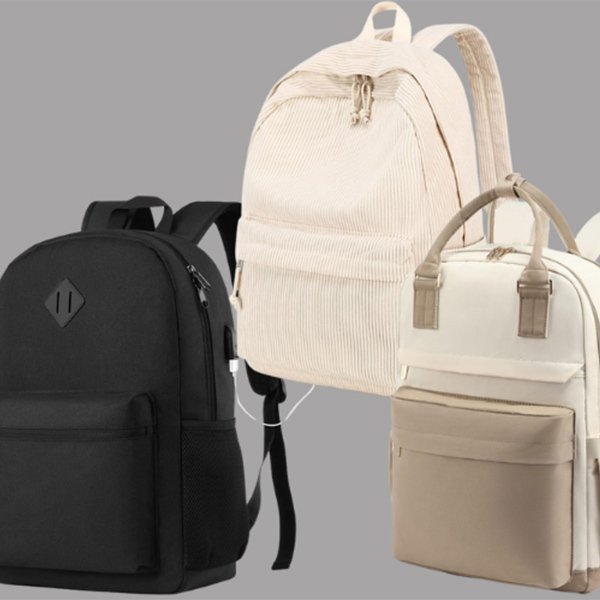
As consumer preferences become increasingly diverse, backpack brands and retailers need to offer a wider variety of styles to meet their needs. From everyday backpacks and outdoor backpacks to travel backpacks and fitness backpacks, the backpack market offers everything. Therefore, choosing the right style has become a challenge for brands and retailers.
For them, choosing the right backpack is not just a matter of style; it also involves product positioning, material selection, development costs, minimum order quantities, sampling timelines, production complexity, and the final retail price. A wrong choice in any of these areas can lead to rework, excessively high prices, or failure to meet the needs of a specific audience.
This guide introduces 18 popular backpack types in the market in 2026, including their common capacities, main functions, applicable scenarios, and customization difficulties and considerations. Whether you are planning a new backpack collection or looking for an OEM/ODM backpack manufacturer, this article will provide you with valuable information.
Quick Summary
Backpacks can be categorized into several types based on function, capacity, structure, and usage scenario. The following are common backpack styles.
- Everyday backpacks, including school bags, laptop bags, tote bags, and crossbody bags, prioritize comfort, storage, and cost-effectiveness.
- Outdoor backpacks, such as mountaineering backpacks, hiking backpacks, cycling backpacks, hydration packs, and waterproof packs, are more durable and have a higher load-bearing capacity. They often use scratch-resistant and abrasion-resistant materials and have improved carrying systems.
- Travel backpacks, such as duffle bags, require more storage space, easy access, and greater abrasion resistance.
- Fitness backpacks are becoming increasingly popular because they combine sports storage, commuting convenience, and lifestyle design.
- For brands and retailers, choosing the right backpack type should be based on a comprehensive consideration of the target user, usage scenario, capacity, materials, cost range, and customization needs.
Quick Comparison Table
| Backpack Type | Common Capacity | Common Materials | Customization Difficulty | MOQ Range | Suitable Scenarios |
|---|---|---|---|---|---|
| School Bag | 20–30L | 600D Polyester | Low | 300–1000 pcs | Mass retail, back-to-school season |
| Laptop Backpack | 20–35L | 900D Polyester / Nylon | Medium | 100–500 pcs | Corporate, tech retail |
| Hiking Backpack | 15–65L | 420D–1000D Nylon | High | 300–1000 pcs | Outdoor |
| Travel Backpack | 30–50L | Ripstop Nylon | High | 400–1000 pcs | Travel, retail, DTC |
| Mountaineering Backpack | 20–50L | Nylon, ripstop fabric | High | 300–500 pcs | Outdoor, travel |
| Tactical Backpack | 20–45L | 1000D Nylon / Cordura | High | 300–500 pcs | Military, government, outdoor |
| Drawstring Backpack | 5–15L | 210D–420D Polyester | Low | 100–500 pcs | Promotions, events, sports |
| Insulated Backpack | 15–30L | 600D Polyester + PEVA lining | Medium | 300–500 pcs | Outdoor, food service |
| Diaper Bag | 15–25L | 600D Polyester / Oxford fabric | Medium | 300–500 pcs | Baby product retail, DTC |
| Camera Backpack | 15–30L | 900D Nylon / Ballistic Nylon | High | 300–500 pcs | Professional photography / videography |
| Waterproof Backpack | 10–40L | TPU / PVC welded fabric | High | 100–300 pcs | Water sports, outdoor |
| Roll-Top Backpack | 20–30L | Ripstop / TPU-coated fabric | Medium | 100–1000 pcs | Cycling, urban, lifestyle |
| Gym Bag | 20–40L | Nylon / Polyester / Mesh | Medium | 300–500 pcs | Fitness, sports, commuting |
| Bike Frame Bag | 1–6L | Polyester / Nylon / TPU | Medium | 200–500 pcs | Sustainable brands, DTC |
| Hydration Backpack | 5–10L | Nylon, Polyester, Sandwich Mesh | Medium | 100–500 pcs | Cycling, hiking |
| Anti-Theft Backpack | 15–30L | Nylon, Oxford fabric, slash-resistant fabric, PU-coated fabric | High | 100–500 pcs | Travel, commuting |
| Mini Backpack | 5–15L | 300D Polyester / PU | Low | 100–1000 pcs | Fashion, lifestyle |
| Running Vest | 5–10L | Nylon / Polyester / Mesh | Medium | 300–500 pcs | Running brands, trail running, marathon events |
What Is A Backpack?
A backpack is used to store and carry items. It distributes the weight through two shoulder straps to ensure that the shoulders and torso are evenly stressed, freeing your hands and making it easy to carry. Backpacks come in a variety of styles, and different types of backpacks are suitable for different activities such as going to school, commuting, traveling or outdoors.
The Structural Design of a Classic Backpack
The structure of a classic backpack includes:
- Large main compartment and multiple pocket compartments at the rear for storing items
- 2 adjustable shoulder straps for weight balancing
- Semi-rigid frame structure maintains the stiff shape of the backpack
Compared with crossbody bags, messenger bags, and handbags, the biggest advantage of using a backpack is that it frees your hands and does not put excessive pressure on your shoulders. Some large-capacity backpacks will also add chest straps, waist belts and internal frames to further enhance the stability and support of the backpack.
What Are Other Names for A Backpack?
In different regions, uses, and historical backgrounds, you may hear backpacks called by different names, including:
- Backpack – a name familiar to the world
- Pack – mostly refers to a backpack used for outdoor and tactical purposes
- Daypack – refers to a small backpack used for daily activities or short trips
- Rucksack – a common name in the UK and Europe, mostly referring to outdoor or military backpacks
- Knapsack – an ancient term for a simple or traditional backpack
For brands and buyers, knowing different terminology is helpful for communicating with customers and promoting the growth of their own business.
The Industries Backpacks Widely Used in
With the advantage of easily freeing your hands and achieving even load distribution, backpacks are widely used in many industries.
- Daily commuting (laptop bags and business backpacks)
- Sports and fitness (cycling backpack, basketball backpack, water bag backpack)
- Outdoor adventure (hiking backpack, mountaineering backpack, waterproof backpack)
- Short/long distance travel (carry-on luggage and travel backpacks)
According to different usage scenarios, brands and retailers can choose to customize different backpack styles. At Kewei, we develop backpacks based on our customers’ brand characteristics, and select appropriate fabrics, webbing and hardware accessories based on consumer preferences and usage scenarios.
School Backpacks
School backpacks are typically affordable and primarily designed for students. They are usually 15 to 30 liters in capacity, suitable for storing books, stationery, lunchboxes, water bottles, and personal items. Backpacks generally have a simple structure, typically featuring a main compartment, a front pocket, several internal compartments, two side mesh hydration bladders, and two adjustable shoulder straps.
From a manufacturing perspective, customizing backpacks is relatively easy. Common customization options include:
- Custom logo printing or embroidery
- Custom zipper pulls
- Printed lining
- Front pocket design
- Side hydration bladder pockets
- Reflective details
- Hangtags and retail packaging.
Brand Customization Note: Avoid adding too many functional pockets to inflate the price. A backpack with six compartments is not necessarily more practical than a simple three-compartment design. It actually increases cost and manufacturing time.
Famous Brands: JanSport, Herschel, Adidas

Laptop Bags
Laptop bags are designed for office workers, business travelers, university students, and digital users, and are generally available in handheld and backpack styles. Compared to basic backpacks, laptop bags require better protection. Therefore, they are usually padded designs, using materials such as EVA foam, EPE pearl cotton, and sponge.
Laptop bags typically have a capacity of 20L to 25L and need to fit 13-inch, 14-inch, 15.6-inch, or 16-inch laptops. Common structural features include water-repellent fabric, padded laptop compartments, thickened handles, luggage handles, and charger compartments. Some backpack styles also include USB ports and RFID anti-theft features.
Note: EVA foam with a density exceeding 30kg/m³ offers better protection, but each piece costs $1-2 more than regular foam. It’s more suitable for high-end laptop bags.
Famous Brands: Nomatic, Targus, Samsonite

Hiking Backpacks
Hiking backpacks are larger than travel or mountaineering backpacks, with capacities ranging from 50L to 80L. They require more advanced manufacturing techniques from backpack manufacturers due to their complex structure, including a large main compartment, top pocket, internal or external frame, reinforced waist belt, adjustable carrying system, hydration system, and rain cover.
In addition, hiking backpacks must be comfortable, stable, and durable, with carefully designed carrying systems, lumbar support, and load-bearing points to suit complex outdoor environments. Professional sellers pay extra attention to features such as back panel ventilation, hip belt angle, and integrated rain covers.
Suitable for: Professional outdoor brands, retailers targeting experienced hikers, campers, and adventure travelers. However, it’s not suitable for backpack development beginners due to the high design and manufacturing complexity and long lead times.
Famous Brands: Gregory, The North Face, Kelty

Travel Backpacks
Travel backpacks are suitable for various occasions such as short trips, weekend getaways, and business trips. They are significantly larger than regular backpacks, generally ranging from 30L to 60L. However, note that if carried on board as carry-on baggage, the dimensions must not exceed 22 inches × 14 inches × 9 inches (56 × 36 × 23 cm). For convenient packing, they feature multiple compartments including a main compartment, laptop compartment, and quick-access pockets. Some travel backpacks also incorporate lockable zippers and luggage handles for added security.
Travel backpacks need to meet higher durability standards. Kewei generally recommends the following for our clients:
- Materials: 420D–630D ripstop nylon, ballistic nylon base, YKK lockable zippers
- Reinforcement: Shoulder straps, handles, and seams
For brands, travel backpacks are a very advantageous category. They can be positioned as luggage, outdoor gear, or as lifestyle backpacks. Suitable for DTC brands, travel brands, and outdoor lifestyle brands.
Famous brands: Tortuga, Osprey, Nomatic
Mountaineering Backpacks
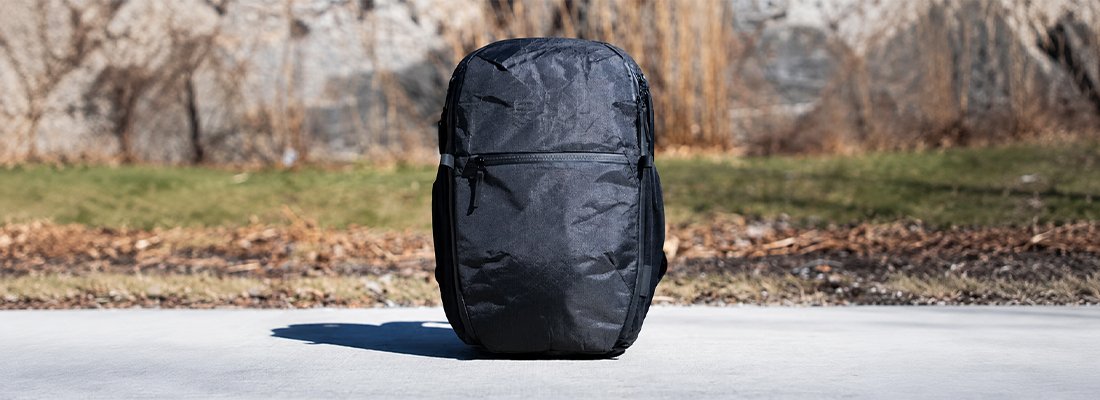
Compared to everyday backpacks, mountaineering backpacks prioritize durability, outdoor functionality, and carrying comfort. They typically use ripstop fabric and feature chest buckles, waist belts, breathable back panels, side water bottle pockets, trekking pole anchors, compression straps, and rain covers.
Mountaineering backpacks typically range in capacity from 20 to 50 liters, with some heavy-duty backpacks offering even larger capacities. However, many mountaineering enthusiasts mention that a capacity of 20L to 40L is more practical—not too small to fit, nor too large to carry.
Note: Outdoor brands requiring custom-made mountaineering backpacks need to pay extra attention to the fit and carrying comfort, such as ensuring the hip belt fits snugly against the hips. Furthermore, this category is more suitable for established outdoor brands; new brands should carefully consider launching custom mountaineering backpack projects.

Tactical Backpacks
Tactical backpacks often come in camouflage, black, and navy blue, suitable for outdoor, military, hunting, and camping environments. Their biggest feature is the use of the MOLLE webbing system, allowing for easy attachment of various tool bags and equipment. To ensure durability, the webbing and stress points of tactical backpacks require reinforcement.
Tactical backpacks typically have a capacity ranging from 20L to 40L, featuring multiple pockets and compartments, and are compatible with hydration packs and tool bags.
Professional Advice: The density of the MOLLE webbing and the quality of the stitching affect the quality of a tactical backpack. When customizing, the webbing width (standard 1 inch), row spacing, and reinforcement stitching density must be specified. Otherwise, the backpack may not be compatible with the entire MOLLE system.
Famous tactical backpack Brands: 5.11 Tactical, Maxpedition, Condor
Drawstring Backpacks
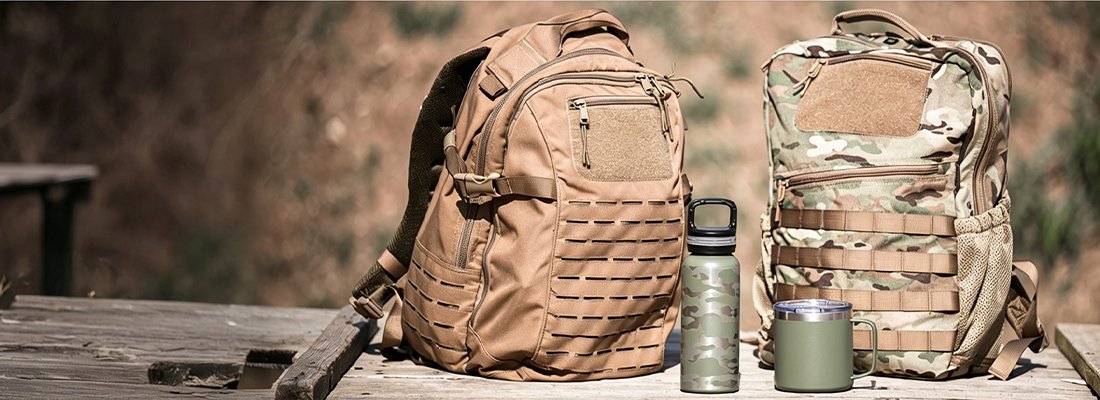
Drawstring backpacks feature a simple design and low cost, making them ideal for promotional activities, corporate publicity, and trade shows. They typically have a capacity of 5 to 15 liters and only one compartment with a drawstring, making them also suitable for fitness, beach activities, etc.
Professional Advice: Drawstring backpacks are well-suited for screen printing and heat transfer printing, making them ideal for large-volume promotional orders and budget-conscious bag projects.
Popular Brands: Nike, Under Armour, Adidas

Insulated Backpacks
Insulated backpacks can keep food warm for a period of time, both hot and cold. They use PEVA or aluminum foil insulated linings and are specifically designed for food storage. With a capacity of approximately 15L to 30L, they can hold at least the amount of food for a picnic, making them perfect for picnics, outdoor gatherings, and beach trips.
Professional Advice: The insulation performance of an insulated backpack depends on the thickness of the insulation layer and the quality of the seam sealing. PEVA is the most commonly used lining material; thicker PEVA (2 mm or more) provides better insulation. Additionally, it’s essential to clarify before customizing the insulated backpack whether it’s intended for holding ice or simply maintaining a pre-cooled temperature. Different functions will result in different structures.
Suitable for: Outdoor and picnic brands, catering services and meal kit brands, promotional gifts for food and beverage companies, and family lifestyle brands.
Reputable brands: YETI, Coleman, TOURIT

Diaper Backpacks
Diaper backpacks make outings more convenient for baby caregivers. Common capacities range from 15L to 25L, featuring multiple insulated bottle pockets, diaper pads, wipes pockets, and multiple storage pockets to easily hold diapers, wipes, bottles, diaper pads, and clothing.
Professional advice: The internal layout and pocket placement of a diaper bag are more important than its exterior design. Adding stroller straps during customization is a valued feature for many consumers.
Suitable for: Baby product retailers, family-oriented DTC baby care brands, and gift brands.
Famous Brands: Skip Hop, Ruvalino, Bag Nation
Camera Backpacks
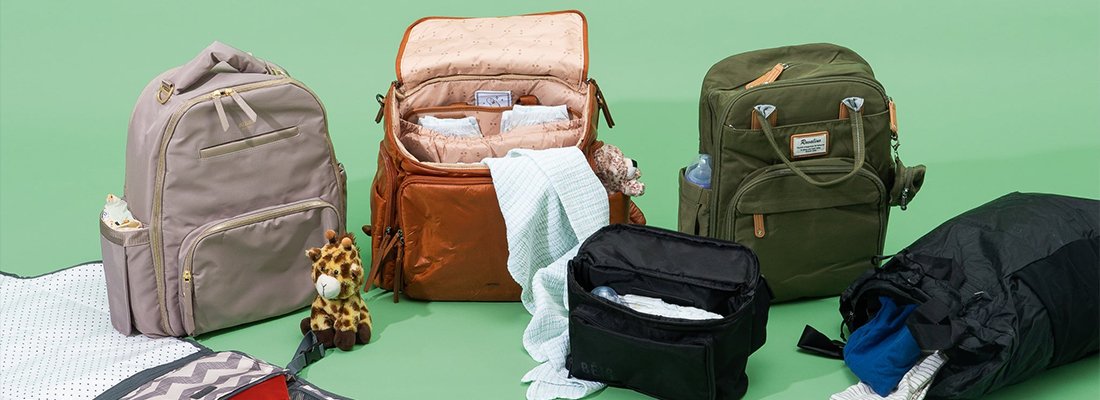
Camera backpacks are bags with customizable padded compartments, typically 15-30 liters in capacity, securely storing camera bodies, lenses, accessories, and laptops.
Professional Advice: Camera dividers are crucial for camera backpacks, allowing for easy placement of shooting equipment. Note that the foam in the camera dividers should ideally exceed 30kg/m³ for better protection. Additionally, prioritize waterproof fabrics. DWR-coated ballistic nylon fabric handles light rain well; a built-in rain cover can handle heavier downpours.
Suitable for: Photography and videography brands, camera accessory retailers, professional content creation brands.
Famous Brands: Lowepro, Peak Design, Manfrotto

Waterproof Backpacks
Waterproof backpacks differ from water-repellent backpacks; they are completely waterproof. Even when fully submerged, the interior remains dry. Ideal for water sports and commuting in the rain. Waterproof backpacks typically have a capacity of 15L to 40L, sufficient for storing changes of clothes, food, and water sports equipment.
To achieve full waterproofing, manufacturers use high-frequency welding or heat-sealing instead of traditional sewing, and YKK waterproof zippers instead of ordinary zippers. However, high-frequency welding increases the FOB price by $8-15 compared to sewing. Heat-sealing tape is a suitable compromise.
Professional advice: Brands should pay attention to the waterproof rating of the fabric when customizing waterproof backpacks: IPX4 (splash-proof), IPX6 (rainproof), and IPX8 (immersion). If possible, request waterproof testing to ensure its effectiveness.
Suitable for: Water sports brands, outdoor brands in high-rainfall markets, and urban bicycle brands.
Famous brands: Sea to Summit, Ortlieb, OverBoard

Roll-up backpacks
The biggest feature of roll-up backpacks is their expandable top closure design, which not only provides natural waterproofing but also expands storage space. Its capacity is generally around 20-30 liters, expandable by 5-8 liters when fully opened, and equipped with multiple storage compartments, suitable for cycling and commuting in the rain.
Professional advice: Roll-top closures require at least four rolls to form a reliable seal; this should be considered in the design.
Suitable for: Urban lifestyle brands, bicycle brands, outdoor leisure brands, and DTC brands targeting young urban professionals.
Reputable brands: Rains, Timbuk2, Chrome Industries

Gym Bags
Modern gym bags combine exercise with daily commutes, making them increasingly popular. Their capacity generally ranges from 20L to 40L, featuring various structures such as separate shoe compartments, wet/dry separation bags, water bottle pockets, and convenient quick-access pockets, meeting the needs of fitness enthusiasts carrying athletic shoes, workout clothes, towels, water bottles, and small accessories.
Compared to traditional gym tote bags, gym backpacks and gym duffel bags are more convenient to carry, especially on public transport, while cycling, or for daily commutes. They are more attractive to urban fitness enthusiasts.
Professional Advice: Gym bags are a practical product category that can be developed in conjunction with gym bags, travel bags, waist packs, and training accessories to create a complete fitness line.
Suitable for: Fitness brands, sports retailers, urban lifestyle brands, and fitness chains with branded merchandise programs.
Famous Brands:KNKG、Built For Athletes、Nike、Adidas
If you are interested in gym bag sizes, this blog post will be helpful.
Bicycle Frame Bags
Bicycle frame bags are designed for commuting, road riding, mountain biking, and short outdoor trips. They are typically secured to the bicycle frame’s triangle area or top tube using Velcro, buckles, or straps.
Considering their intended use, frame bags have a relatively small capacity, generally 1L to 6L, suitable for storing items such as a phone, keys, a small pump, and a wallet. Their narrow design effectively prevents chafing of the thighs during riding.
Professional advice: When developing frame bags, it’s best to use water-repellent materials and incorporate reflective elements to enhance safety during outdoor riding.
Suitable for: Bicycle brands, sports retailers, urban lifestyle brands
Famous Brands: Apidura, Restrap, Evoc, Rhinowalk

Mini Backpack
Mini backpacks are very compact and stylish, typically with a capacity of 5-15 liters. They can hold essentials such as a phone, wallet, keys, and ID. Furthermore, mini backpacks often use high-quality hardware, effectively enhancing their texture and style, making them ideal for fashion styling, music festivals, and casual shopping.
Professional Advice: Mini backpacks offer ample storage capacity while remaining compact and stylish, making them ideal for fashion retailers, lifestyle DTC brands, and accessory boutiques.

Hydration Backpacks
Hydration backpacks are primarily used for running, cycling, hiking, and other sports, allowing for convenient hydration during exercise. They include a hydration bladder compartment, a straw outlet, and storage pockets, with a capacity typically ranging from 5L to 15L. The packs are small, lightweight, and conform to the body. Note that some hydration backpacks do not include a hydration bladder, requiring users to purchase one separately.
Professional Advice: When customizing a hydration backpack, prioritize breathable fabrics, such as sandwich mesh for the back panel and shoulder straps, to reduce stuffiness when carrying it. Additionally, consider designing small pockets for storing keys and snacks.
Suitable for: Running brands, cycling brands, trail running brands, and outdoor activity brands.
Notable Brands: CamelBak, Nathan, Osprey

Anti-theft Backpacks
Anti-theft backpacks feature concealed zippers, RFID-shielded pockets, cut-resistant panels, and lockable compartments, effectively protecting valuables, especially during commutes and travel. Their capacity is typically 15–30 liters, meeting the needs of short trips and commuting.
Professional Advice: Cut-resistant panels can increase material costs by 15% to 25%, so budget should be considered when customizing.
Suitable for: Travel accessory brands, urban commuting brands, and brands with a security-conscious customer base (frequent travelers, digital nomads).
Famous Brands: Pacsafe, XD Design, Samsonite

Running Vests
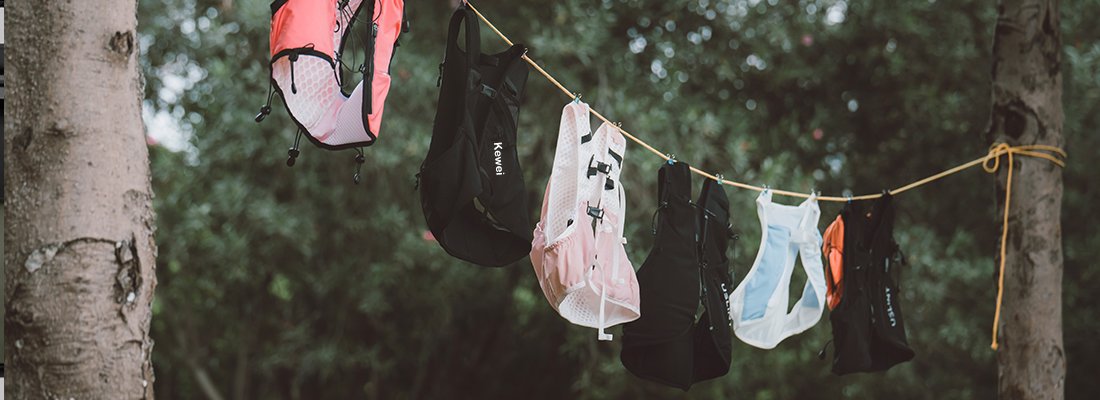
Running vests are designed for trail running, marathons, and other running activities, prioritizing lightweight, fit, and breathability. Running vests typically have a capacity of 5L to 10L, with smaller sizes possible at 2L-5L. They feature soft water bottle pockets, zippered phone pockets, energy gel pockets, and some styles also include a lightweight jacket pocket on the back.
Professional Advice: When customizing a running vest, prioritize comfortable, breathable, and quick-drying fabrics, such as polyester mesh and lightweight nylon. Additionally, use adjustable buckles at the chest, elastic cords, side adjustable webbing, or elastic edging to ensure a better fit.
Suitable for: Running brands, trail running brands, marathon event merchandise, and triathlon equipment brands.
Famous Brands: Salomon, Nathan, Osprey, USL
Material Selection for Different Backpack Types
Different backpack styles have different design focuses and are suitable for different scenarios, therefore, the materials chosen will also differ. The following are commonly chosen fabrics by brands:
- Polyester: Polyester is one of the most widely used backpack materials. It’s used in both high-end and low-cost backpacks. It offers good value for money and stable performance, and its waterproof performance can be improved with PU or PVC coatings. You can choose 600D, 900D, 1000D polyester Oxford cloth, or RPET recycled polyester.
- Nylon: Nylon is lighter and more durable than polyester, making it ideal for outdoor bags, mountaineering bags, cycling bags, and travel bags. However, it is more expensive than polyester. You can choose from 210D, 420D, 500D, 840D, 1000D, ballistic nylon, and Cordura nylon.
- Rip-resistant fabric: The special mesh structure of rip-resistant fabric reduces tearing and damage. It is commonly used in mountaineering bags, hiking backpacks, outdoor bags, and lightweight travel products.
- TPU or PVC coated fabric: TPU and PVC coated fabrics offer excellent waterproof performance, making them the preferred material for waterproof backpacks, dry bags, and water sports bags.
- Recycled fabric: Eco-friendly fabrics such as recycled polyester and recycled nylon are becoming increasingly popular in the market. Many backpacks, tote bags, sports bags, and lifestyle bags choose to use recycled and environmentally friendly fabrics. However, when choosing a brand, you should check for GRS certification.
What factors affect backpack costs?
The cost of a custom backpack is not only related to style and size; fabric, construction, and hardware also affect the cost.
- Fabric: Nylon, ripstop, TPU-coated, and recycled fabrics are generally more expensive than standard polyester.
- Size: Larger backpacks require more fabric, lining, foam, webbing, and packaging space, all increasing costs.
- Structure: More pockets require more cutting and therefore more sewing time and labor costs.
- Zipper and Hardware Quality: High-quality accessories like YKK zippers are more expensive.
- Additional Padding and Reinforcement: Computer compartments, EVA back panels, thick shoulder straps, and reinforced bottoms all increase material and labor costs.
- Logo Technology: Screen printing, embroidery, rubber patches, woven labels, heat transfer printing, metal badges, and embossed leather labels all vary in cost and minimum order quantity.
- Special Features: Waterproof construction, shoe compartments, hydration systems, anti-theft designs, and adjustable carrying systems increase development complexity and price.
- Packaging: Retail packaging, hang tags, care labels, barcode stickers, PE bags, and outer box labeling also affect the overall cost.
Core Functional Details Brands Should Focus On
When developing custom backpacks, brands should consider not only style but also design details and functionality, as these significantly impact user experience and product value.
- Common backpack features include:
Laptop compartment - Tablet pocket
- Shoe compartment
- Wet suitcase pocket
- Water bottle pocket
- Hidden security pocket
- Chest buckle
- Waist belt
- Compression strap
- Reflective logo
- Waterproof zipper
- EVA back panel
- Breathable mesh
- Custom zipper pulls
- Custom logo
- Custom lining
- Custom packaging
Select appropriate functional components for different backpack styles. For example, customize shoe compartments and wet suitcase pockets for gym bags; customize padded laptop compartments, organizer panels, and security locks for laptop bags. However, it’s crucial to choose suitable components, as too many features not only increase weight but also cost, resulting in wasted performance.
How Brands Should Choose the Right Backpack Type
Step 1: Define the Target User
Before choosing a custom backpack style, ask yourself a few questions:
- Who will use this backpack? Is your target customer group students, office workers, travelers, fitness enthusiasts, hikers, cyclists, or outdoor professionals?
- Who are my target customers?
- Which type is the most prevalent?
Step 2: Define Features
Sometimes one or two features can influence a customer’s purchasing decision. For example, a shoe compartment would increase appeal to fitness enthusiasts. Travel bags that fit carry-on size requirements and have laptop compartments are more valuable to travelers.
Step 3: Determine Target FOB Price
You can use a reverse engineering approach. Most outdoor retailers have profit margins between 50% and 60%, while DTC brands have more flexibility. Determining a target FOB price can eliminate some unnecessary designs, such as adding a waterproof coating.
Step 4: Confirm Customization Items
Your first backpack customization item can start with a laptop bag or drawstring backpack. Their structure is simpler, easier to modify, and has a shorter sample testing cycle.
Sometimes, a small adjustment to the fabric, zippers, lining, or logo craftsmanship can improve the product’s value without changing the overall design direction. You can consult your manufacturer for professional adjustment solutions. Because most backpack manufacturers, like Kewei, go beyond simply producing to order. As partners, we help brands adjust materials, construction, and accessories, and keep budgets within reasonable limits.
Why partner with a professional backpack manufacturer?
In 2018, Kewei received an inquiry from a DTC brand client. They had launched a multi-functional backpack positioned as a gym bag and hiking backpack, but the manufacturer only produced it according to their specifications. While sales were acceptable, returns occurred for all three uses—gym, travel, and hiking—because it didn’t fully meet their needs.
However, experienced and professional bag manufacturers would recommend developing a single-function backpack. In most retail environments, single-function products perform better than multi-function products.
Therefore, choosing a professional backpack manufacturer not only guarantees product quality and mitigates many risks, but also leverages their established supply chain relationships to reduce costs and provides targeted feedback based on years of industry experience.
Kewei boasts over 20 years of experience in the backpack industry and holds ISO 9001, SGS, Sedex, Disney, and BSCI certifications. If you are planning a custom backpack collection for your brand, Kewei’s OEM and ODM services can provide you with material selection, sample development, and mass production services. Send us your customization requirements, target price, and delivery time, and I will recommend suitable custom backpack solutions for you.
FAQ
What is the 20% rule for backpacking?
To ensure a comfortable carrying experience and protect your health, the total weight of your packed hiking backpack should not exceed 20% of your body weight.
What should you pay attention to when cleaning a coated backpack?
- Clean with mild soap and warm water, using a sponge.
- Use a soft-bristled brush to remove dust from the zippers, and apply a small amount of zipper lubricant.
- After cleaning, let it air dry in a cool, well-ventilated place.
What is the purpose of the MOLLE webbing system on a tactical pack?
MOLLE webbing is typically sewn onto the front, sides, or waist belt of a tactical pack. It’s primarily for hanging tool bags, first-aid kits, magazine pouches, water bottle pouches, or other tools.
How to pack your luggage correctly?
First, categorize all items. When packing, place heavier items at the bottom of the backpack, closer to your back, and lighter items on top. Put water bottles or snacks in side pockets, and documents in zippered quick-access pockets to prevent loss.
When should you replace your backpack?
Your backpack needs replacing when the fabric is severely worn, the shoulder straps are coming undone, the zippers are damaged, or the overall shape has lost its support.
What are the differences between men’s and women’s backpacks?
The main differences lie in the bag body, shoulder straps, and waist belt.
- Men’s backpacks have a longer back panel, while women’s backpacks have a shorter and narrower back panel.
- Men’s backpacks have wider and thicker shoulder straps, providing stronger support. Women’s backpacks have relatively narrower shoulder straps, positioned higher, to better conform to the curves of the female body.
- Men’s backpacks have a wider chest strap, generally positioned towards the upper center. Women’s backpacks have a narrower chest strap, usually with an adjustable sliding design for easy adjustment to a more comfortable position.