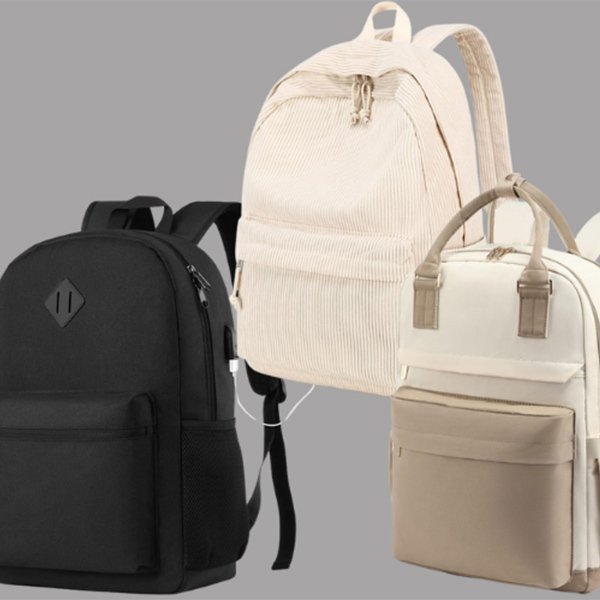
Polyester fabric is one of the most widely used materials for bags, backpacks, luggage, apparel, and outdoor products due to its durability, versatility, and cost efficiency.
Polyester was first developed in the UK in the 1940s and achieved its first commercial success in the United States. As a synthetic fabric, polyester is created by melting and extruding petroleum-based compounds into fibers, which are then woven or knitted into cloth. It offers multiple advantages—such as being lightweight, quick-drying, abrasion-resistant, and wrinkle-resistant—and supports high-quality printing, making it an ideal choice for custom tote bags and beach bags.
How Is Polyester Fabric Made?
The main raw material for polyester is PET (polyethylene terephthalate), derived from refined petroleum. The process generally involves the following steps:
- Raw Material Extraction: Petroleum is processed to extract two chemical raw materials: PTA and MEG.
- Polymerization: PTA and MEG undergo a high-temperature chemical reaction to form monomers; these monomers then react future with dimethyl terephthalate under high temperature and pressure to form a polymer.
- Melting and Spinning: The molten polyester polymer is extruded into long strips, cooled, dried, and chopped into small chips. These chips are remelted and extruded through a spinneret to form continuous filaments.
- Stretching and Setting: The filaments are stretched and wound onto spools, creating polyester yarn.
- Weaving/Knitting: Depending on the intended use, the polyester yarn is woven or knitted into various fabrics, such as 210D, 300D, 600D, 900D, and 1680D polyester fabric.

After polyester fabrics were introduced into mass production, they quickly became a consumer favorite due to its affordability and superior durability compared to natural fibers. However, as people became aware that the synthetic fabric is difficult to biodegrade and can harm the environment, consumer attitudes toward polyester began to shift.
To support sustainable development, recycled polyester (RPET) was developed. Made from waste plastic, it effectively reduces reliance on petroleum resources and repurposes plastic waste, thereby supporting sustainable textile production. Many brands now choose GRS certified recycled polyester fabric for sustainable bags, packaging, and promotional products.The global market for recycled polyester is projected to reach $9.896 billion by 2026.
Common Types of Polyester Fabrics
In addition to PET and RPET, other common polyester fabrics include PCDT and microfiber polyester.
PET (Polyethylene Terephthalate)
PET is the most common type of polyester fabric. It offers high tensile strength and shrinkage resistance; it means that PET bags do not easily lose their shape when carrying heavy loads. Furthermore, PET fabrics can maintain good color stability after dyeing and are less likely to fade under high temperatures, making them a popular choice for outdoor bags and beach bags.
RPET (Recycled Polyester)
RPET is made from used plastic bottles, and offers similar performance to traditional PET while reducing environmental impact. Promotional bags and totes made from RPET are lightweight and durable, helping to enhance a brand’s eco-friendly image.
PCDT (Polycyclohexylene-dimethylene Terephthalate)
Compared to PET, PCDT offers better elasticity and flexibility, resulting in a softer fabric texture; it is commonly used for curtains, apparel, and automotive interiors.
Microfiber Polyester
Finer and more delicate than human hair, microfiber polyester produces fabrics that are exceptionally smooth, soft, and pleasant to the touch. Additionally, the fabric is hypoallergenic and highly absorbent, making it ideal for bedding and sportswear.
Common Polyester Fabric Tyeps for Bags
For custom bags, the commonly selected polyester fabrics include the following types:
| Fabric Type | Common Applications |
| 210D Polyester | Lightweight lining, drawstring bags |
| 300D Polyester | Shopping bags, promotional bags |
| 600D Polyester | Backpacks, lunch bags, sports bags |
| 900D Polyester | Outdoor bags, travel bags |
| 1680D Polyester | Heavy-duty luggage and premium bags |
Advantages and Disadvantages of Polyester Fabrics
Polyester fabrics have a wide range of applications, particularly in luggage and bags, apparel, home textiles, and outdoor gear. This is largely due to their numerous advantages, including:
- Durability: Polyester fabric offers high strength and abrasion resistance, making it less likely to wear out or pill.
- Tear resistance: Resists tearing under the pressure of heavy loads.
- Water repellency: Low water absorption (as low as 0.4%), offering protection against light rain and damp conditions.
- High stability: Resists stretching and shrinking; maintains its shape well.
- Wrinkle resistance: Good resilience; easily recovers its shape after folding.
- High color fastness: Polyester fabric can achieve bright and stable colors that remain resistant to fading, even under high temperatures.
- Cost-effective: Cheaper than materials like cotton yarn, polyester fabric is suitable for mass production.
- Ease of processing: Polyester fabric is compatible with various manufacturing techniques, including embroidery, printing, and other customization methods.
Despite its many advantages, polyester fabric also has some limitations.
- Environmental cost: Polyester fabric accounts for 57% of global fiber production; its manufacture relies heavily on petroleum and generates significant CO2 emissions.
- Plastic impact: During production and use, polyester fabrics may release microfibers, and the material is not easily biodegradable.
- Poor breathability: Low moisture absorption and limited air circulation.
- Static electricity: Prone to generating static in dry environments, attracting dust and hair.
Is Polyester a Good Material for Custom Bags?
Certainly. Whether in terms of durability, structural stability, or appearance, polyester is an ideal material for bags.
Polyester fabric is strong and offers excellent abrasion and tear resistance, allowing polyester backpacks to perform well in various environments, including commuting, outdoor activities, and travel.
Its smooth surface is ideal for printing methods like heat transfer and digital printing. Combine with its cost advantage and suitability for mass production, polyester fabric is perfect for brands creating promotional totes, shopping bags, and drawstring bags.
Polyester fabric’s extremely low water absorption helps keep bags dry and odor-free. It retains its appearance and shape even after frequent washing, making it ideal for reusable insulated lunch bags, toiletry bags, and school backpacks. Additionally, recycled polyester offers a sustainable alternative to meet the eco-friendly requirements of B2B clients.
What Are the Applications of Polyester Fabric?
Thanks to its durability, resistance to stretching, quick-drying properties, and ability to blend with other fibers while retaining shape and vibrant color, polyester fabric is widely used in bags, apparel, and home textiles.
- Bags: Polyester fabric is lightweight, strong, and quick-drying, making it a common choice for promotional tote bags, cosmetic bags, insulated lunch bags, and tool bags. It is compatible with various printing techniques, allowing for high-resolution, detailed, and vibrant brand logos and patterns—ideal for branding and customization. Additionally, recycled polyester can be used to produce eco-friendly bags, meeting the demands of brands and markets focused on sustainability.
- Outdoor Gear: Outdoor gear such as mountaineering packs, hiking backpacks, tents, and sleeping bags requires exceptional durability, water resistance, and UV protection. Polyester fabrics, enhanced through special weaving techniques and waterproof coatings, meet these performance standards.
- Home Decor: Polyester fabric is widely used in home textiles like bed sheets, curtains, sofa covers, pillowcases, and rugs. Its high tensile strength and resistance to shrinking or fading after repeated washing ensure the fabric retains its structure and appearance over time.
- Apparel: Polyester is prized for its wrinkle resistance, quick-drying properties, and colorfastness, making it a popular choice for sportswear and casual clothing. The stability of its fiber structure ensures both comfort and durability, even during rigorous use.
- Automotive Interiors: Polyester’s stain resistance and colorfastness make it an ideal material for car seat covers, carpeting, and headliners.
- Flags and Banners: Polyester fabric supports high-resolution printing and offers excellent color retention, quick-drying capabilities, and durability, ensuring that national flags and promotional banners can withstand changing outdoor weather conditions. Its lightweight nature also allows flags to flutter gracefully in the wind, enhancing their aesthetic appeal and promotional impact.
Comparison of Polyester with Other Fabrics
You may be wondering how polyester compares to other fabrics in terms of performance. The Fabric Procurement Manager at Kewei has provided a comparison chart for a quick overview.
The following chart uses a star-rating system, where more stars indicate superior performance.
All data is based on Kewei’s own research and assessment of fabric properties and does not constitute official data.
| Performance | Polyester | Nylon | Canvas | Cordura® | Leather |
| Abrasion Resistance | 4⭐ | 5⭐ | 3⭐ | 5⭐ | 4⭐ |
| Tensile Strength | 4⭐ | 5⭐ | 4⭐ | 5⭐ | 4⭐ |
| Water Resistance | 4⭐ | 4⭐ | 2⭐ | 5⭐ | 3⭐ |
| Weight | Medium | Lightweight | Heavy | Medium | Heavy |
| Softness | 3⭐ | 4⭐ | 4⭐ | 3⭐ | 4⭐ |
| Structure & Shape Retention | 4⭐ | 3⭐ | 4⭐ | 4⭐ | 5⭐ |
| Aging Resistance | 4⭐ | 4⭐ | 3⭐ | 5⭐ | 3⭐ |
| Color Fastness | 5⭐ | 4⭐ | 3⭐ | 4⭐ | 3⭐ |
| Processing Difficulty | Easy | Medium | Easy | Difficult | Difficult |
| Cost | Low | Medium | Medium | High | High |
| Sustainable Options | RPET available | Recycled Nylon available | Natural material advantage | Recycled Cordura available | Natural material but higher resource consumption |
As the largest producer of recycled polyester in the world, China consistently upholds the principles of sustainable development. As a Chinese custom bag manufacturer, Kewei is also committed to environmental protection and sustainability.
We frequently recommend RPET fabrics to clients for custom cosmetic bags and brush rolls; this helps reduce the demand for fossil-based resources and allows discarded plastic bottles to be recycled into usable fibers. Furthermore, when selecting fabric suppliers, we prioritize partners that use pressurized gas dyeing technology, which helps reduce energy consumption and wastewater emissions during the dyeing process.
In anticipation of the upcoming full implementation of the EU’s PPWR (Packaging and Packaging Waste Regulation), we are developing more sustainable packaging solutions,—such as replacing virgin polyester with recycled polyester—to reduce the environmental impact of packaging materials.
Whether you are looking for custom polyester handbags, cosmetic bags, reusable shopping bags, or recycled polyester backpacks, Kewei offers cost-effective solutions. Please feel free to contact us at any time.
FAQ
Polyester vs. Nylon: What’s the Difference?
Polyester fabric has a somewhat duller luster and a slightly rougher feel, whereas nylon fabric is elastic and feels silky and soft to the touch.
Polyester absorbs dye well and offers high colorfastness; nylon is more difficult to process and is more prone to fading under UV exposure.
Polyester is lightweight and highly abrasion-resistant; nylon is tougher and more durable, though it is slightly more prone to pilling than polyester.
Nylon is more hydrophilic and can expand up to three times in volume when wet, while polyester is more hydrophobic, allowing moisture on the surface to evaporate easily.
Polyester fabric is affordable, making it suitable for large-scale custom backpack projects; nylon is more expensive, making it better suited for smaller-batch custom backpack projects.
What composite fabrics are available for custom backpacks?
Compared to 100% polyester, polyester composite fabrics offer enhanced water resistance, a better hand-feel, superior abrasion resistance, and a more premium aesthetic. Options for custom backpacks include:
- Polyester fabric + PU/TPU coating: Effectively improves abrasion and water resistance; ideal for laptop bags, travel bags, and waterproof bags.
- Cotton-polyester blend: Softer and more breathable than pure polyester, this material offers a more natural texture while minimizing shrinkage and wrinkling—an ideal choice for totes, casual bags, and urban commuter bags.
- Polyester mesh fabric: Primarily used for backpack back panels to enhance breathability and comfort, reducing the sensation of heat and stuffiness against the back.
How to clean polyester bags?
Most polyester bags are suitable for both hand and machine washing. Before cleaning, remove all contents and accessories; use a mild detergent and wash gently by hand or select the delicate cycle on your machine. Air-dry the bag naturally; avoid using a dryer, as the heat can damage the fabric or the waterproof coating.
For polyester bags with a PU coating, simply wipe them clean with a soft, damp cloth after daily use. Excessive washing can accelerate wear on the coating.
What are the advantages of ripstop polyester fabric?
Ripstop polyester fabric incorporates reinforcement yarns into standard polyester material to create a regular, reinforced grid structure that effectively prevents tears from spreading. It is an ideal fabric for ultralight hiking packs, waterproof bags, mountaineering packs, and travel bags.